
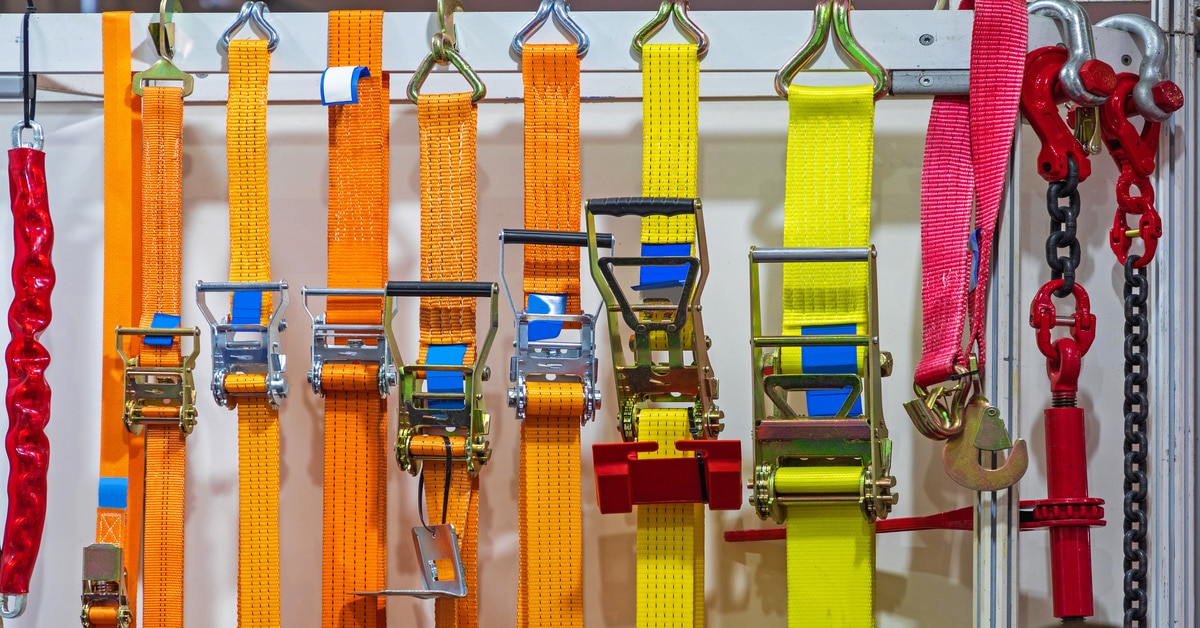
When you’re moving freight in trailers, ratchet straps are some of the most important tools on board. These straps keep your loads secure, prevent shifts in transit, and help avoid costly damage or safety issues. But no piece of equipment lasts forever. It’s essential to know the top three signs you need to replace your ratchet straps before they put a shipment, your team, or your reputation at risk.
Frays or Cuts in the Webbing
Visible frays, cuts, or excessive wear in the webbing signal the need for an immediate replacement. Inspect each ratchet strap carefully, focusing on the edges where damage most often starts. Even minor nicks can weaken the entire strap, putting your load at risk under tension.
Run your fingers along the full length of the strap, feeling for rough patches or thinned-out spots, which may indicate internal damage that isn’t easy to see. Take a closer look around sewn seams and contact points where straps hook to trailer rails, as these high-stress areas are prone to weakening first. Webbing that feels stiff, looks discolored, or shows signs of brittleness points to sun exposure, harsh chemicals, or severe weather damage. If a strap loses flexibility or has melted fibers, take it out of service. Replacing compromised straps helps you avoid costly failures during shipment.
Rusty or Deformed Hardware
Check the metal components closely—ratchets, hooks, and connectors. Rust, bends, cracks, or any visible defect are strong signals that you need to replace your ratchet straps. Even surface rust can lead to corrosion over time, causing the ratchet mechanism to jam or the hooks to fail at critical moments. A rusty ratchet may not lock securely, while a bent hook can fail under pressure, exposing your cargo and team to unnecessary hazards.
Hardware damage threatens the integrity of your entire system. Each part of your cargo securement equipment must withstand the rigors of transport. If you notice a warped ratchet handle or a misaligned hook, replace the strap right away. Don’t overlook hardware with sharp or jagged edges, as these can slice the webbing, potentially leading to sudden failure.
Faulty Ratchet Mechanism
A faulty ratchet mechanism stands out as a major warning sign that you need to replace your ratchet straps. If the ratchet sticks, slips, grinds, or fails to hold tension, it puts your entire cargo at risk. A crisp, smooth clicking sound when tightening means the mechanism functions as it should, but resistance or unexpected releases signal trouble.
Always test your ratchet before loading up. Confirm it locks and releases without any issues. Watch for:
- Dirt or debris jamming the mechanism
- Missing springs, screws, or loose parts
- A pawl that won’t securely latch onto the gear
If you notice any of the top three signs you need to replace your ratchet straps, it’s time to upgrade for better safety and peace of mind. Don’t trust worn or unreliable equipment to protect your shipments. Invest in high-quality replacement ratchet straps from Logistick and keep every load secure from the first mile to the last.
0 Comments