
by Kim Schmutzler | Oct 22, 2026 | Freight Securement
The right Strapping System depends on the freight, the anchor points inside the enclosed trailer, the amount of tension needed, and whether the restraint will be reused. E-track ratchet straps provide adjustable tension in trailers with installed E-track. Cam straps...
by Kim Schmutzler | Oct 16, 2026 | Sustainability
One-way freight securement does not have to mean one destination. Logistick’s Recycling Network helps shippers find facilities that accept separated plastic components from used freight securement devices. From there, the collected plastic can be processed into...
by Kim Schmutzler | Oct 9, 2026 | Freight Damage
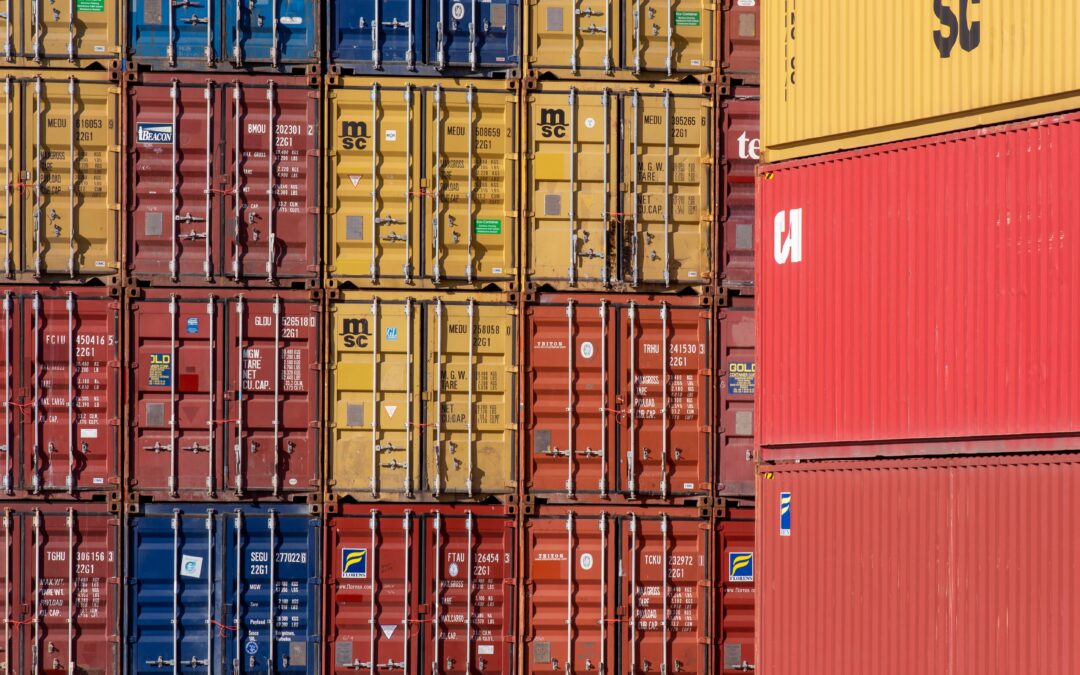
Peak shipping season puts every part of a freight operation under pressure. Higher-order volume, tighter schedules, temporary labor, and mixed freight can all increase the risk of loading errors in enclosed trailers and ISO containers. Preventing damage during this...

by michael kanczuzewski | Oct 2, 2026 | News
Loadbars and E-track ratchet straps solve different securement problems inside enclosed trailers. A Loadbar creates a rigid horizontal barrier that blocks freight from moving forward or backward. An E-track ratchet strap uses tension to hold cargo against an anchor...

by Kim Schmutzler | Sep 25, 2026 | Freight Securement
Every load that shifts in transit has the potential to create waste, either through damaged products, crushed packaging, or employees spending extra time processing claims. Preventing freight damage has been central to Logistick’s work for 35 years. By keeping cargo...
by Kim Schmutzler | Sep 18, 2026 | Intermodal
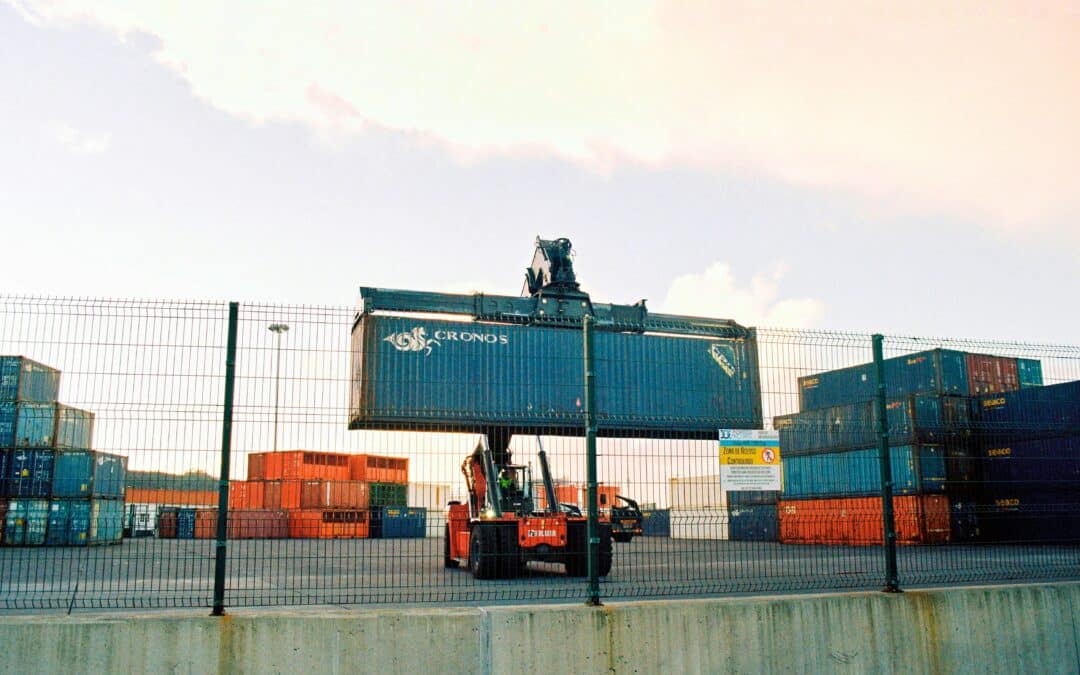
Loading an intermodal container properly is crucial for minimizing cargo damage and loss. The process starts with inspecting the container, planning weight distribution, and choosing securement for every mode in the route. Let’s take an in-depth look at how to...
by Kim Schmutzler | Sep 4, 2026 | Freight Securement
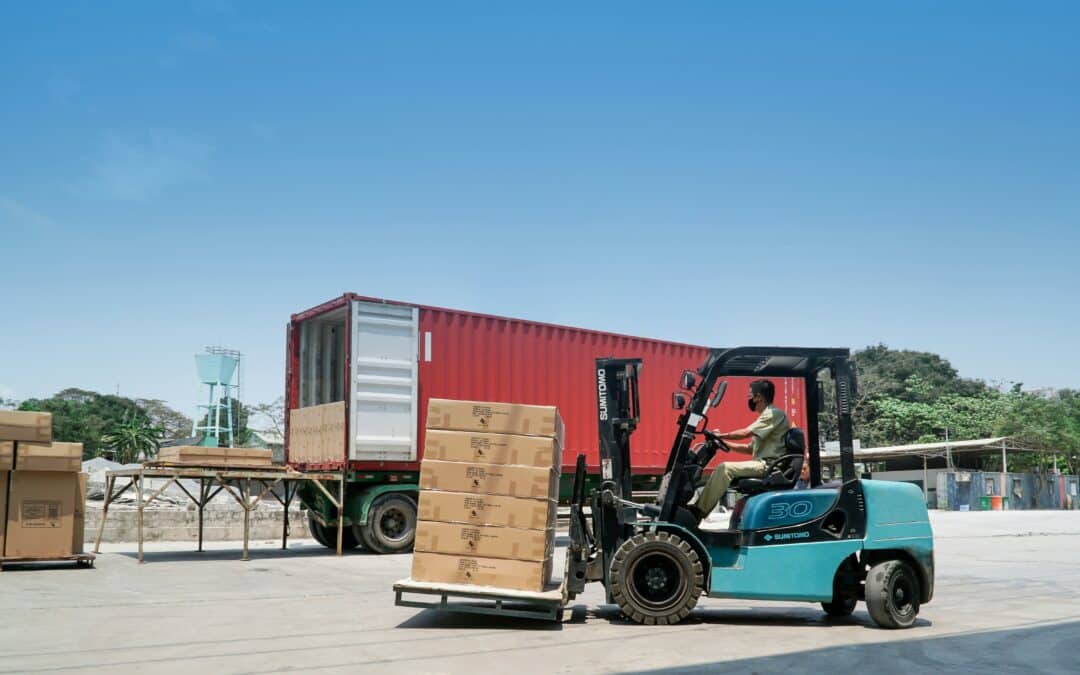
The right cargo securement system depends on what you are shipping, how the freight is loaded, which transportation modes it will encounter, and whether the equipment needs to return. Loadbars work well behind stable pallet rows. Wedges and floor braces typically...
by Kim Schmutzler | Aug 20, 2026 | Freight Securement
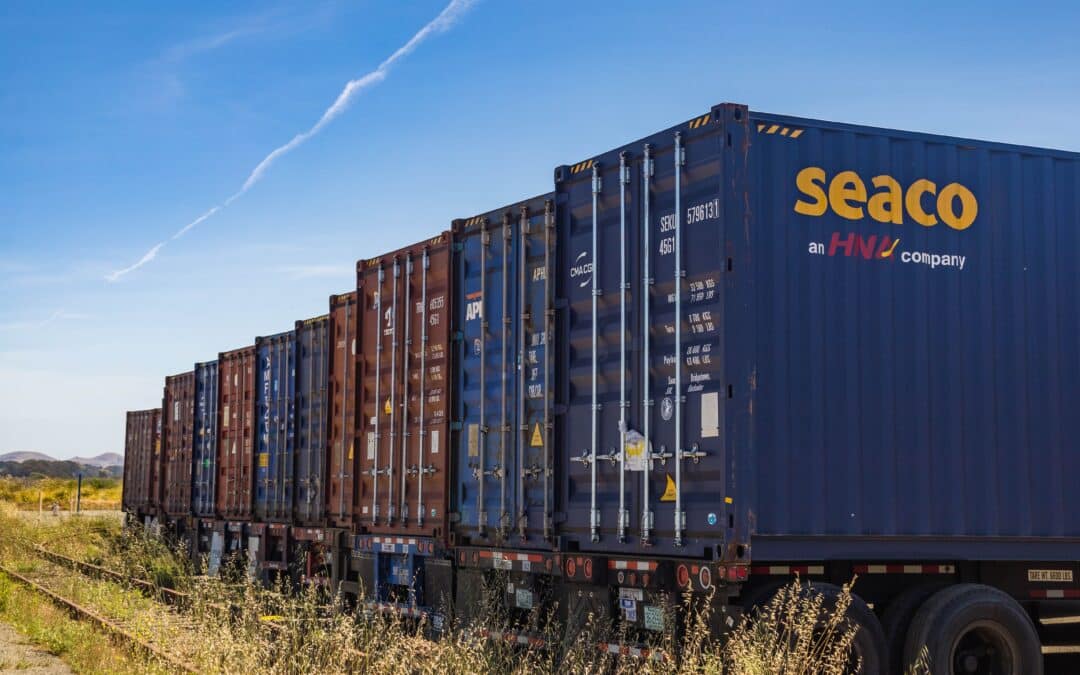
Blocking and bracing is the process of securing cargo inside an enclosed trailer or ISO shipping container so it cannot shift during transportation. A well-designed system controls forward, backward, and side-to-side movement while helping protect the freight, the...
by Kim Schmutzler | Aug 14, 2026 | Intermodal
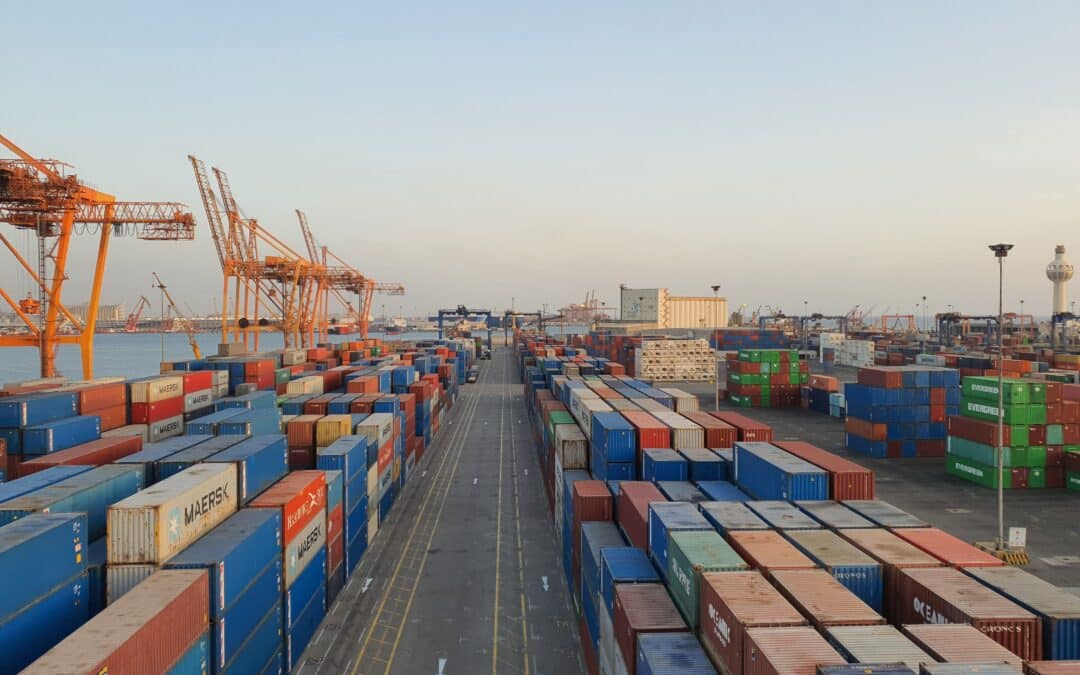
The Intermodal Strap® Kit XL is designed for shipments that need more strength than a standard intermodal strapping system provides. While the standard kit is well suited to light- and medium-weight freight, the XL combines Logistick’s strongest intermodal anchor with...
by Kim Schmutzler | Aug 7, 2026 | Freight Securement
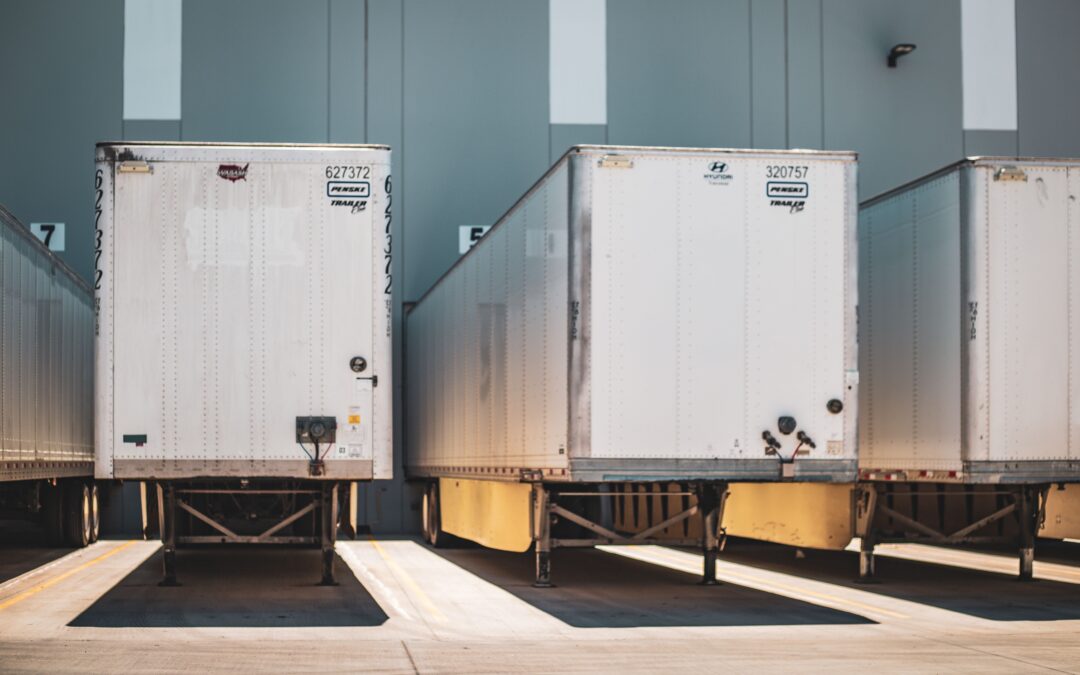
There is no single number of load bars that works for every enclosed trailer. Many loads need at least one Loadbar set installed horizontally against the rear face of the freight, while taller, heavier, unstable, or separated loads may require additional sets. The...

