
Most cargo securement failures don’t start on the road: they start at the loading dock. A strap that looked tight during loading can loosen after the first hard brake or several miles of road vibration.
Even when freight appears stable inside the trailer, small issues such as a worn strap, insufficient tensioning, or poorly positioned restraints can cause cargo to shift once the vehicle begins moving. A consistent cargo securement inspection before dispatch helps prevent freight damage, rejected loads, and safety incidents.
Why Cargo Securement Inspections Matter
Cargo securement inspections are about more than regulatory compliance. They protect the shipment, the equipment, and the people handling the load, including warehouse and dock workers unloading the trailer.
A proper inspection helps:
- Reduce freight damage and insurance claims
- Prevent cargo shifts during transit
- Identify worn or damaged straps before they fail
- Maintain consistent loading practices across teams
- Improve driver safety and confidence on the road
Once a trailer leaves the dock, cargo is exposed to constant braking, cornering forces, and road vibration. If a strap is loose or a restraint is misaligned, those forces can quickly cause pallets to move.
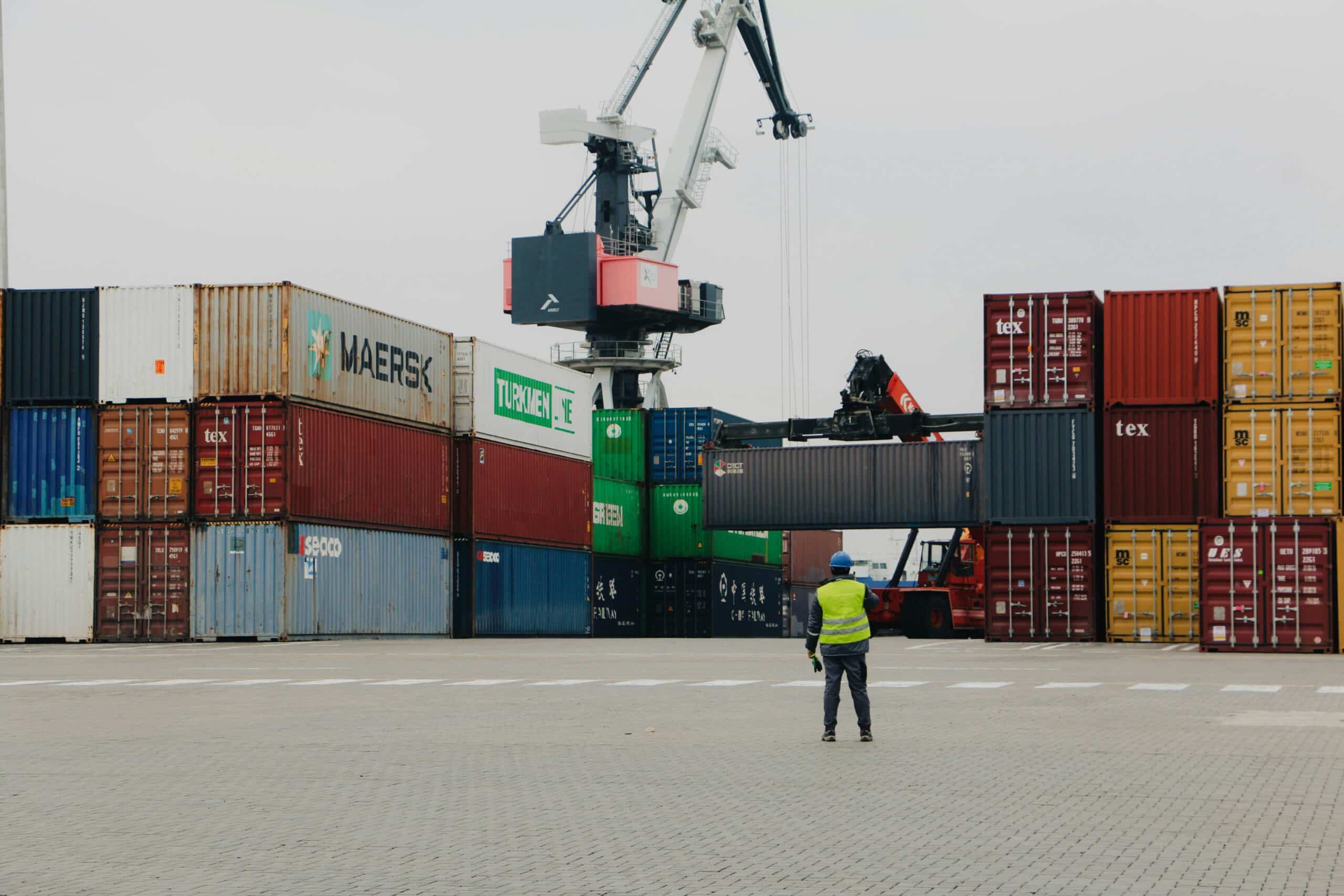
These inspections are especially important for ISO intermodal shipments, where freight may experience multiple handling events across truck, rail, and ocean transport.
Preventing load shifts early not only protects the shipment but also reduces waste, reshipments, and operational disruption across the supply chain.
Step 1: Verify the Load Is Properly Positioned
Before inspecting straps, confirm that the freight itself is stable and correctly staged.
Check for:
- Pallets positioned tightly against each other
- No visible gaps that could allow movement
- Proper weight distribution across the trailer floor
- Cargo aligned squarely with trailer walls
- Even stacking and stable pallet loads
Freight that is poorly positioned cannot be secured properly, no matter how many straps or restraints are added later.
In many operations, structural restraints such as load bars, wedges, or floor bracing systems are used to block cargo and prevent forward movement before tie-downs are applied.
Step 2: Inspect All Straps
Straps play an important role in cargo securement, but they are also subject to wear. Repeated tension, abrasion, and exposure to weather or sharp edges can weaken strap fibers over time.
During inspection, check each strap for:
- Frayed edges or broken fibers
- Cuts or punctures in the webbing
- Burn or melt marks caused by friction
- Stretching or distortion
- Damaged hooks or end hardware
- Missing or unreadable working load limit tags
If any of these conditions are present, the strap should be removed from service and replaced immediately. Using compromised straps increases the risk of load shifts, cargo damage, and potential safety hazards. If your straps show signs of wear or damage, Logistick offers a range of cargo securement straps and anchor systems designed for reliable performance in transportation environments.
Step 3: Confirm Proper Strap Tension
Even high-quality straps will not perform correctly if they are improperly tensioned.
During inspection, verify that:
- Straps are tightened evenly across the load
- The strap path is straight and not twisted
- Hooks or anchor points are properly seated
- Ratchet mechanisms are fully locked
A strap that feels tight while parked may loosen after the trailer is subjected to braking or road vibration. Consistent tension across the load helps prevent cargo from shifting during transport.
Over-tensioning can also be a problem. Excessive force can damage packaging, deform pallets, or stress anchor points. The goal is consistent, secure restraint without excessive strain on the cargo or equipment.
Step 4: Check Anchor Points and Hardware
Straps are only as strong as the anchor points securing them.
Inspect the following components:
- Trailer anchor tracks
- E-track fittings
- Ratchet mechanisms
- Hooks and end fittings
Look for signs of bending, cracking, corrosion, or loose mounting hardware. Hardware failures can cause a strap to release suddenly during transport, allowing the entire load to shift.
Step 5: Confirm Secondary Securement (If Required)
Some shipments require more than one type of restraint, especially when shipping heavy or irregular freight.
Depending on the cargo type, additional securement methods may include:
- Load bars or cargo bars
- Blocking and bracing systems
- Dunnage or void fillers
- Additional tie-down straps
Combining multiple securement methods, like load bars and straps, helps stabilize the load and reduce reliance on tension-based restraint alone.
Step 6: Perform a Final Walkaround
Before dispatch, perform one final visual inspection of the trailer.
Look for:
- Loose straps or hardware
- Shifting pallets
- Gaps between cargo units
- Unsecured tools or equipment
This final walkaround ensures nothing was missed during the loading process.
Establish a Strap Inspection and Replacement Cycle
Straps should be inspected before every shipment and replaced periodically as part of a preventive maintenance process.
Many operations teams establish replacement schedules based on:
- Number of uses
- Visible wear or damage
- Exposure to harsh environments
- Changes in strap tension performance
Maintaining a consistent inspection and replacement cycle helps prevent unexpected failures and keeps cargo secure throughout transit.
That maintenance burden is also one reason many operations look at one-way securement. Unlike reusable straps that have to be tracked, re-tensioned across hundreds of trips, and pulled from service as they wear, one-way systems, including anchored strap systems and structural products like load bars and wedges, move with the load instead of cycling back through your facility. They still get a pre-dispatch check, but they take the ongoing inspect-track-replace cycle largely off the table while keeping installs consistent from one shipment to the next.
Build Securement Inspections Into Your Loading Process
The most effective way to reduce cargo damage is to make inspections part of the standard loading workflow. By verifying load placement, checking strap condition, and confirming proper tension before dispatch, shipping teams can significantly reduce the risk of freight shifting during transport.
Preventing cargo damage not only protects the shipment. It also helps reduce waste, reshipping, and unnecessary environmental impact across the supply chain. Reliable cargo securement starts with disciplined inspection practices and the right equipment to support them.
Need Help Improving Your Cargo Securement Process?
If your team is reviewing cargo securement procedures or looking for ways to reduce freight damage across your shipping operations, Logistick can help. Contact Logistick today to learn more about securement systems, strapping solutions, and best practices for protecting your shipments in transit.
0 Comments