
by Kim Schmutzler | Oct 22, 2026 | Freight Securement
The right Strapping System depends on the freight, the anchor points inside the enclosed trailer, the amount of tension needed, and whether the restraint will be reused. E-track ratchet straps provide adjustable tension in trailers with installed E-track. Cam straps...

by Kim Schmutzler | Sep 25, 2026 | Freight Securement
Every load that shifts in transit has the potential to create waste, either through damaged products, crushed packaging, or employees spending extra time processing claims. Preventing freight damage has been central to Logistick’s work for 35 years. By keeping cargo...
by Kim Schmutzler | Sep 4, 2026 | Freight Securement
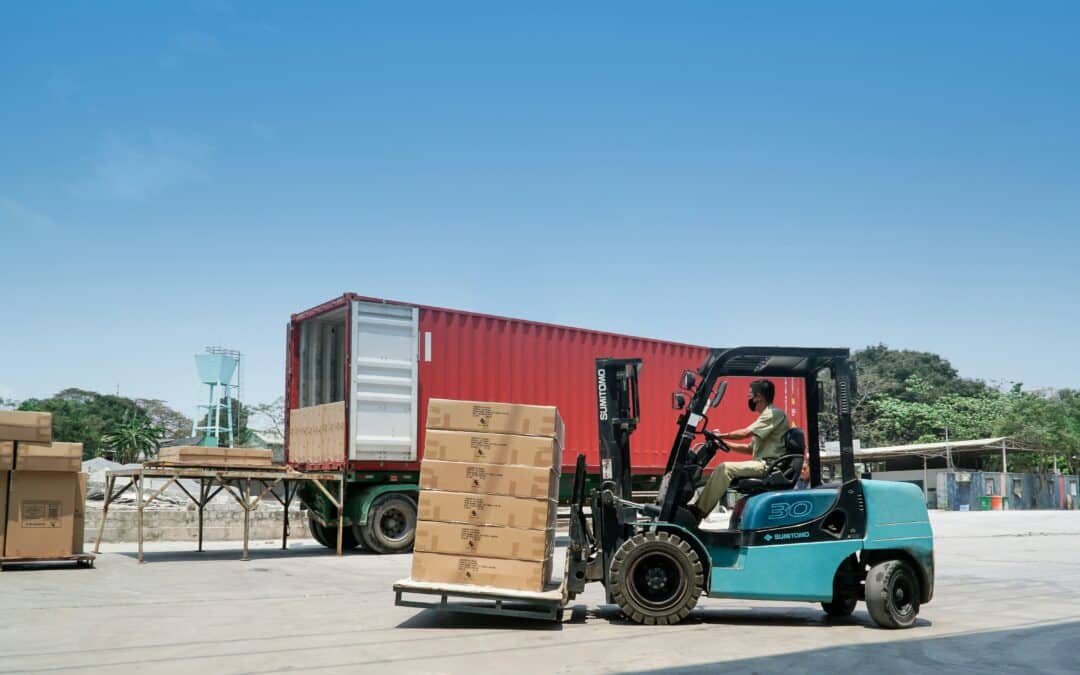
The right cargo securement system depends on what you are shipping, how the freight is loaded, which transportation modes it will encounter, and whether the equipment needs to return. Loadbars work well behind stable pallet rows. Wedges and floor braces typically...
by Kim Schmutzler | Aug 20, 2026 | Freight Securement
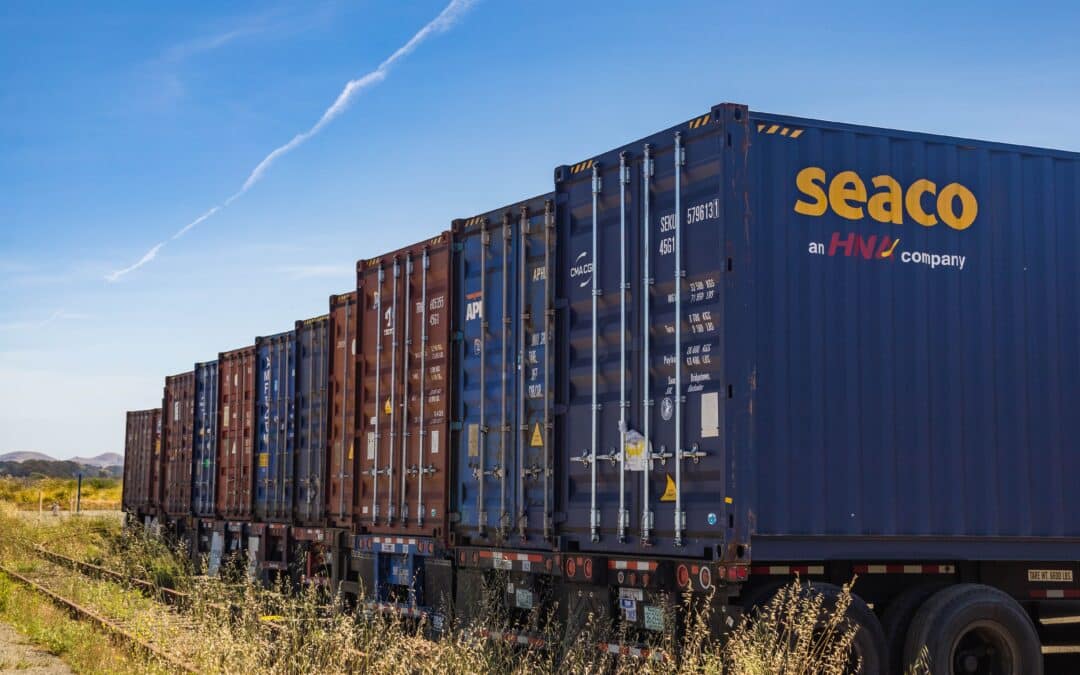
Blocking and bracing is the process of securing cargo inside an enclosed trailer or ISO shipping container so it cannot shift during transportation. A well-designed system controls forward, backward, and side-to-side movement while helping protect the freight, the...
by Kim Schmutzler | Aug 7, 2026 | Freight Securement
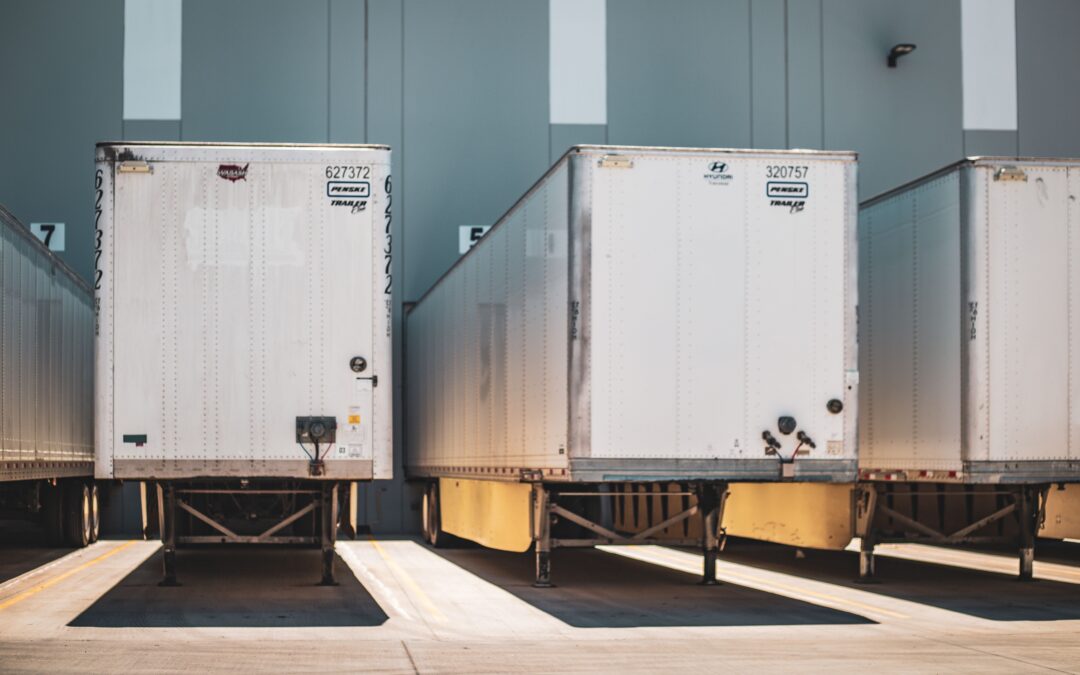
There is no single number of load bars that works for every enclosed trailer. Many loads need at least one Loadbar set installed horizontally against the rear face of the freight, while taller, heavier, unstable, or separated loads may require additional sets. The...
by Kim Schmutzler | Jun 29, 2026 | Freight Securement
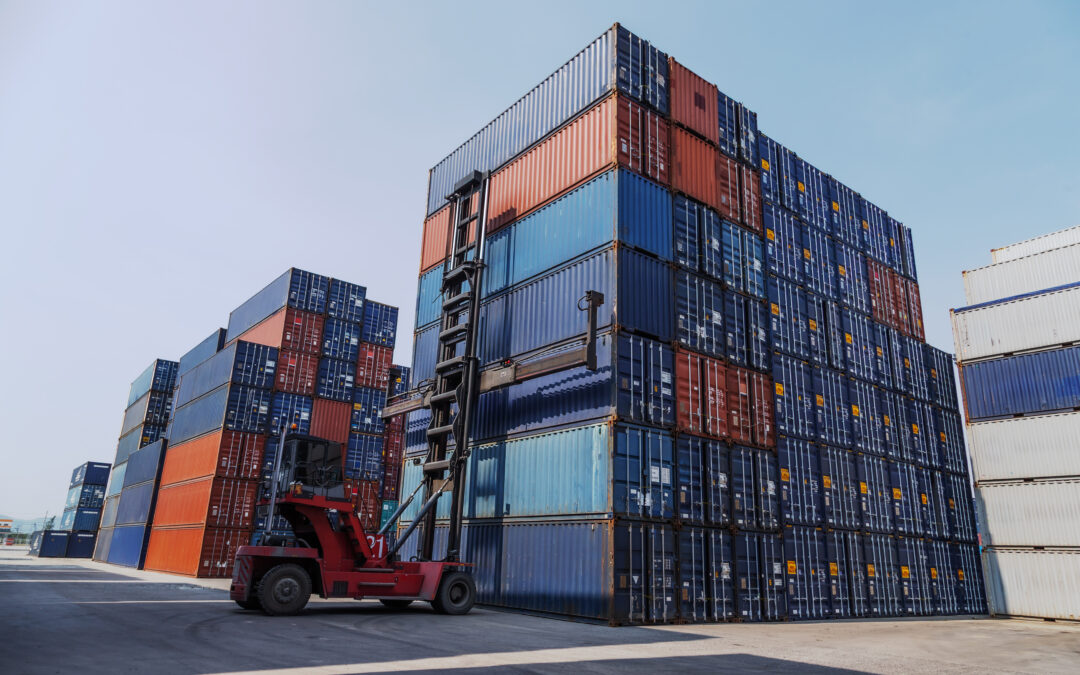
Cargo securement language matters more than it may seem. The difference between a void, a restraint point, or a working load limit is not just technical; it affects how freight is loaded, secured, inspected, and protected in transit. This glossary explains the key...
