by Kim Schmutzler | Jun 29, 2026 | Freight Securement
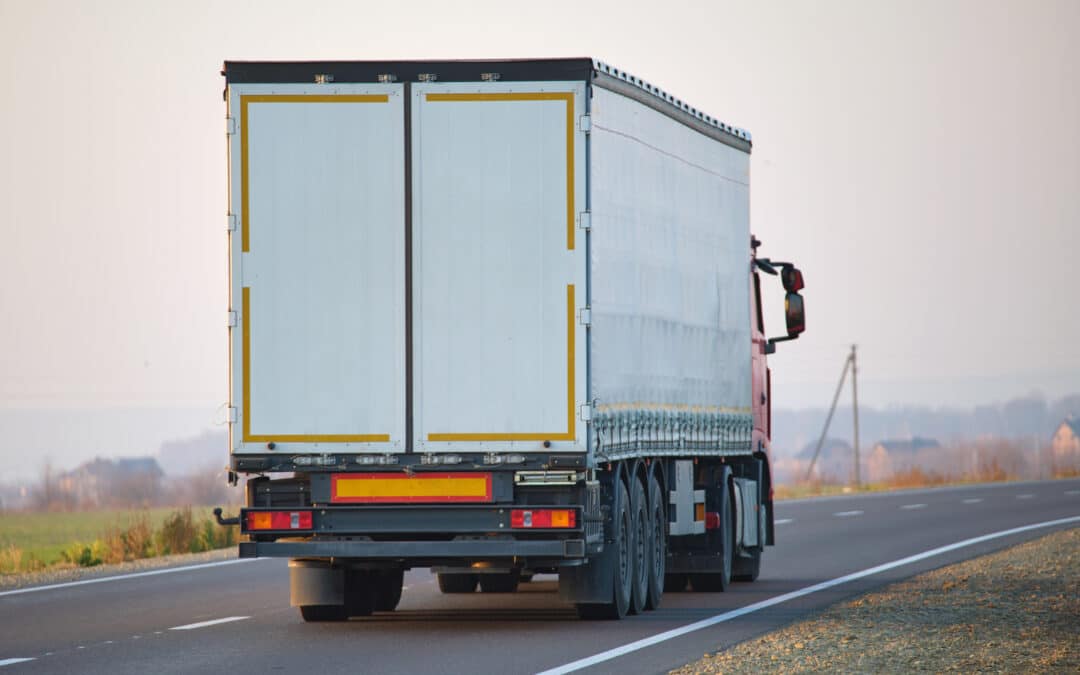
Load shift prevention in enclosed trailers starts before the trailer leaves the dock. Freight may look stable after loading, but braking, acceleration, vibration, and road shock can quickly expose weak points in the securement setup. In many cases, the problem is not...
by Kim Schmutzler | Jun 29, 2026 | Freight Securement
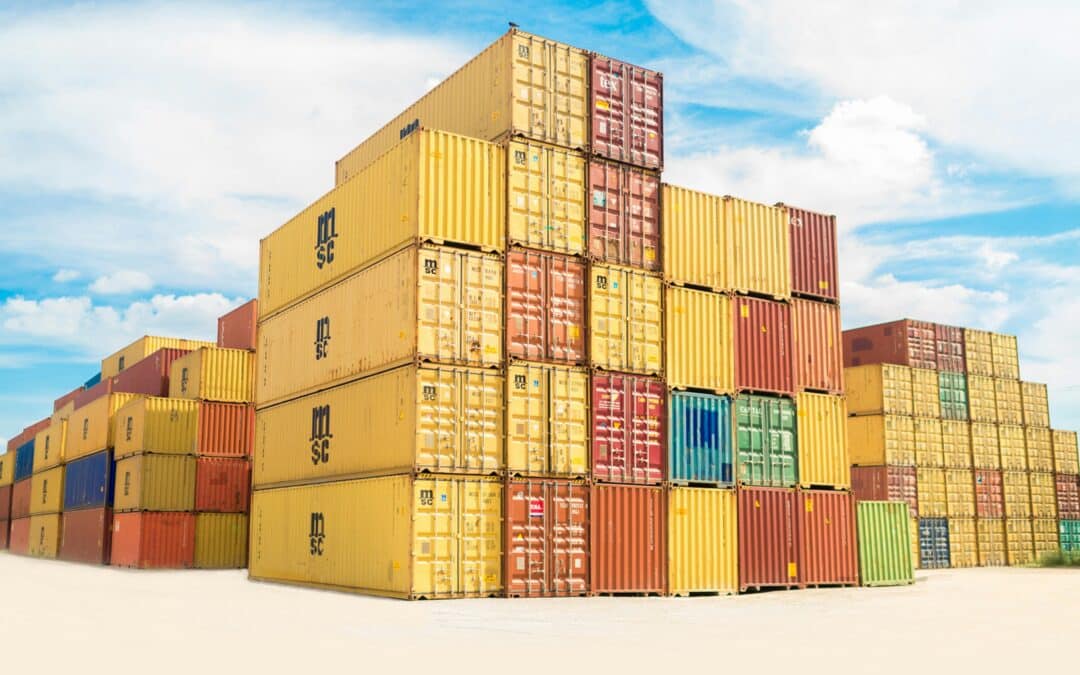
Every year, billions of dollars in cargo is lost or damaged during transit, not because of theft or natural disaster, but because of inadequate securement. Intermodal freight, cargo that moves by truck, rail, and ocean in a single journey, now forms the backbone of...
by Kim Schmutzler | Jun 29, 2026 | Freight Securement
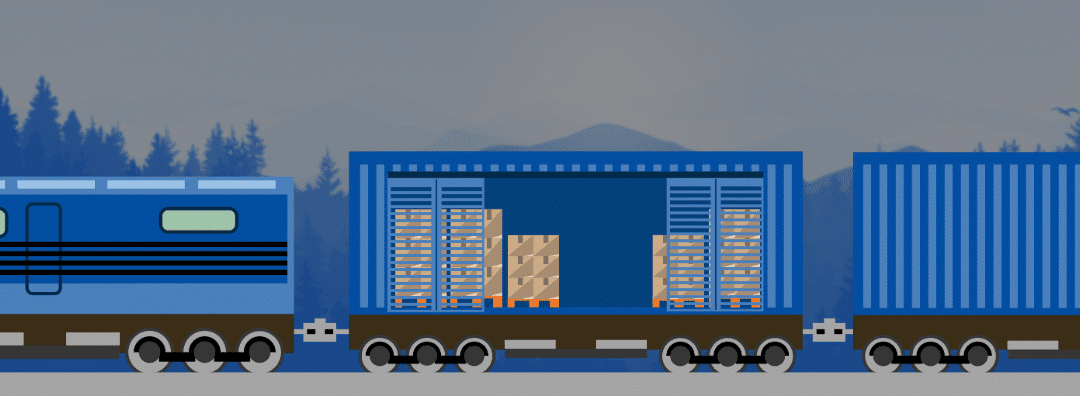
Rail puts freight through forces that highway transport simply doesn’t. When railcars are coupled in a classification yard, the impact can hit far harder than the firmest brake a truck will ever make, and a load that rode 800 miles of interstate without a...
by Kim Schmutzler | Jun 29, 2026 | Freight Securement
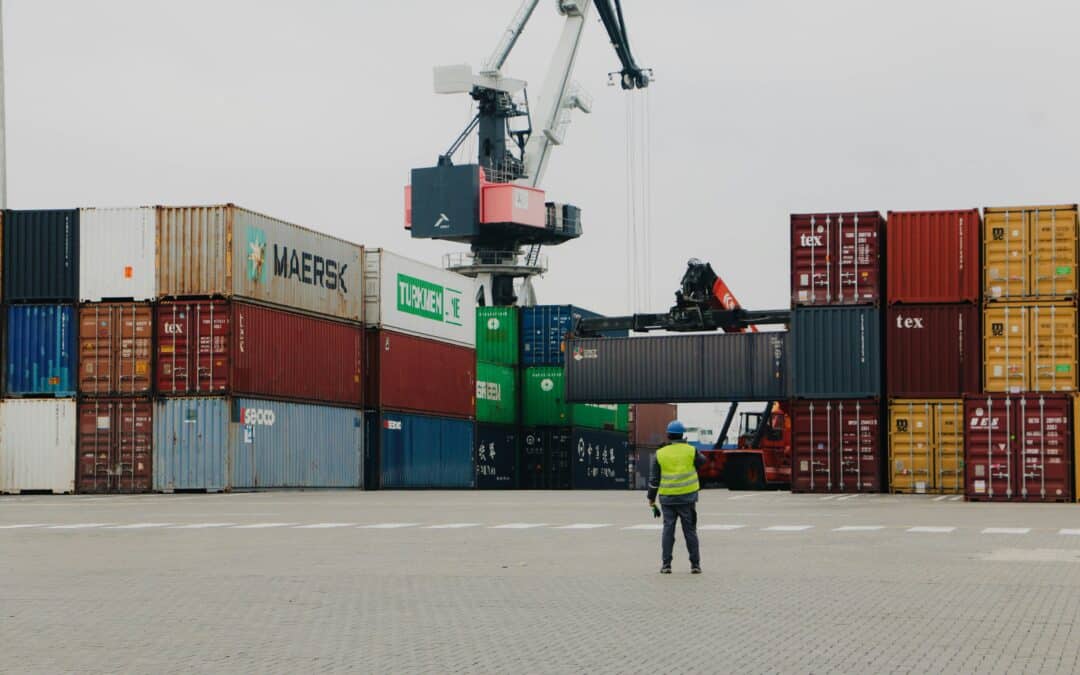
Most cargo securement failures don’t start on the road: they start at the loading dock. A strap that looked tight during loading can loosen after the first hard brake or several miles of road vibration. Even when freight appears stable inside the trailer, small...
by Kim Schmutzler | Jun 29, 2026 | Freight Securement
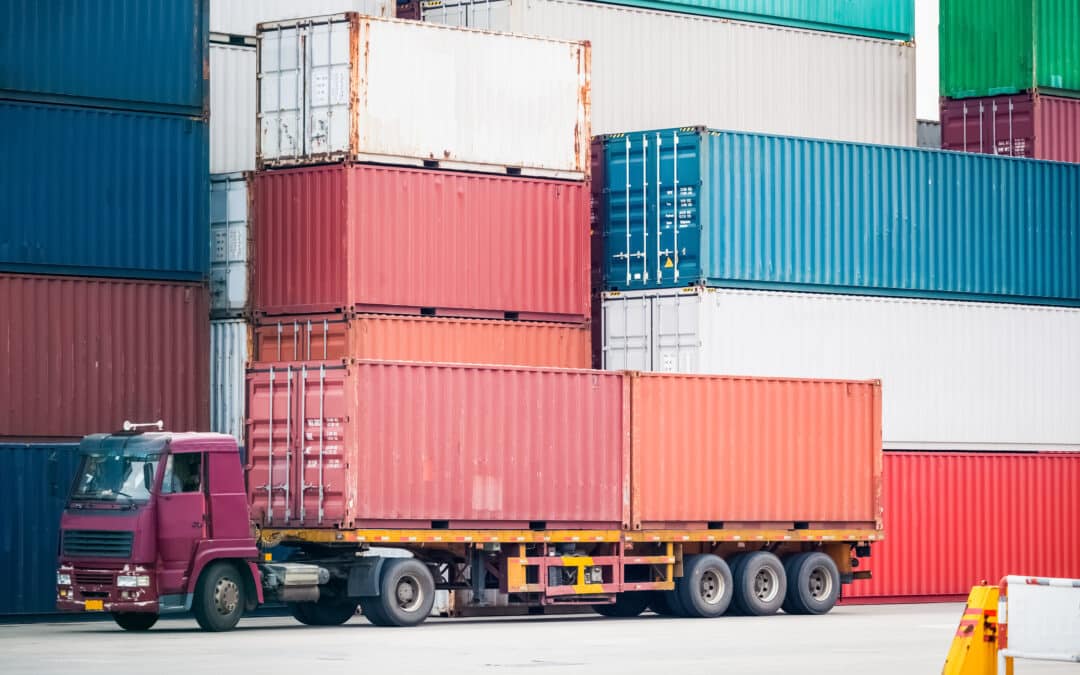
Every shipment leaves the dock or the warehouse looking secure. Pallets are wrapped, freight is stacked neatly, and everything appears stable. But once that trailer hits the highway or moves from truck to rail to vessel, the forces of transit begin to test your...
by Kim Schmutzler | Jun 29, 2026 | Freight Securement
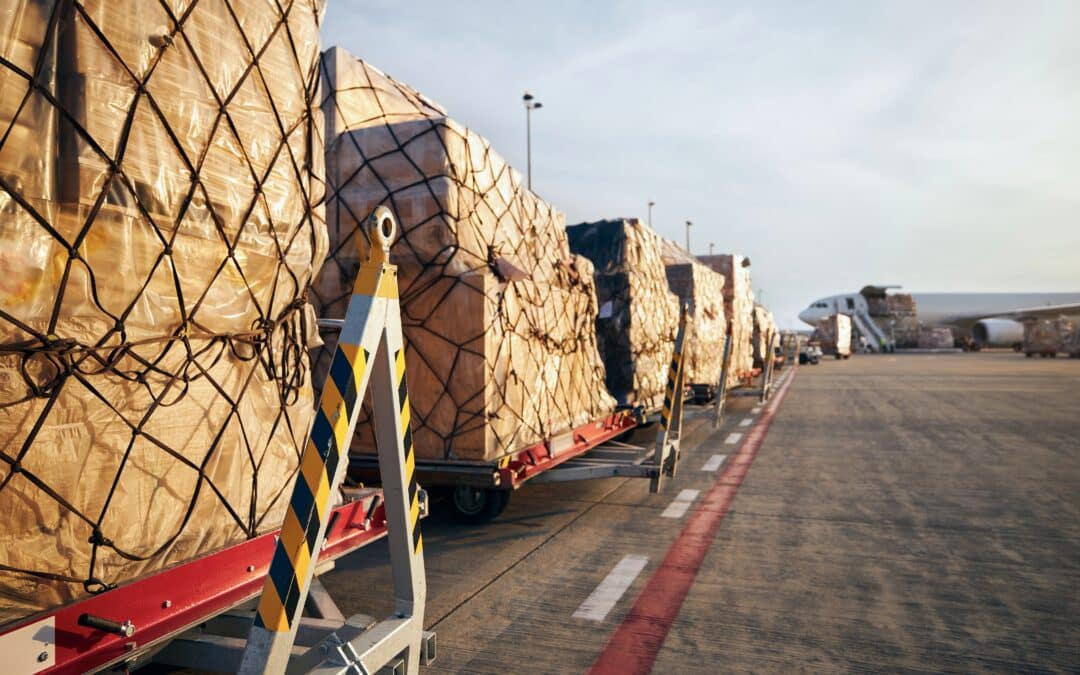
DOT cargo securement regulations exist for a simple reason: loads that shift on the road can cause accidents, damage freight, and incur serious liability. They can also create serious workplace hazards if freight shifts toward trailer doors and falls when they are...
