
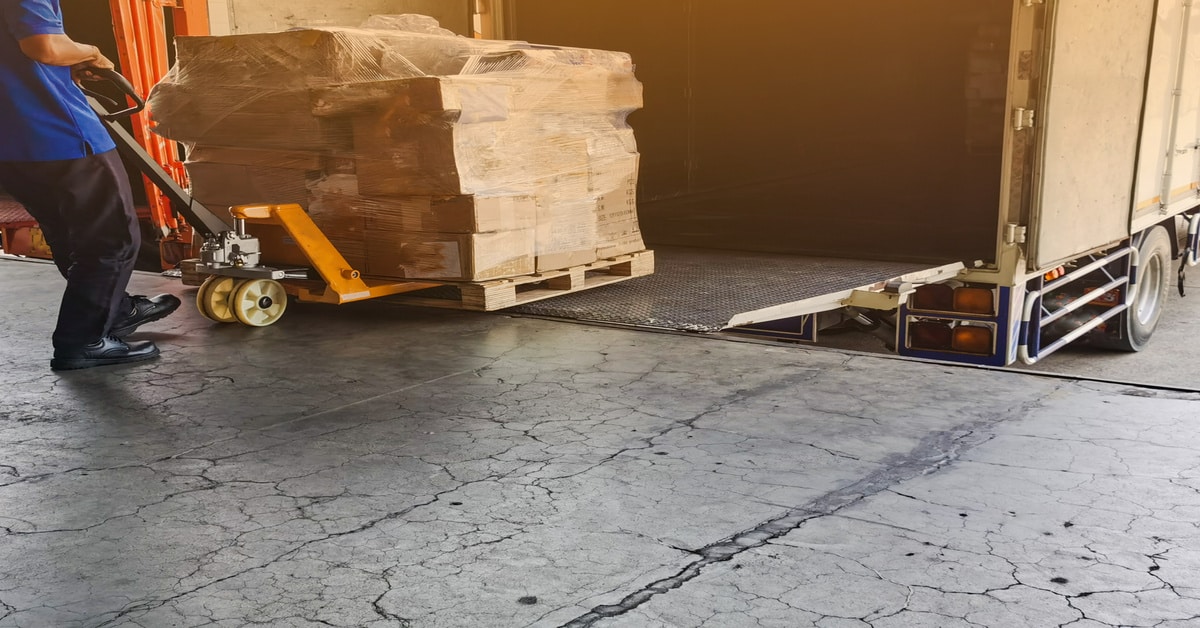
Proper cargo securement is critical for protecting freight during over-the-road, rail, and ocean shipments. When products shift or fall in transit, the consequences extend beyond damage. These incidents drive up costs, compromise product quality, and create serious safety hazards for workers. Understanding and preparing for common cargo securement challenges to prepare for is the first step toward mitigating these risks.
Inadequate Blocking and Bracing
A primary cause of freight damage stems from inadequate blocking and bracing. Shippers face this issue when they rely on outdated methods or fail to account for the intense forces freight experiences in transit. When companies don’t use load securing equipmentto block and brace cargo, products can shift, crush, or topple. This damages goods and puts workers at risk during unloading. Poor securement undermines the entire shipment’s safety and integrity, no matter the transport mode.
Mismatching Securement for Freight Type
Applying a one-size-fits-all approach to cargo securement is a recipe for disaster. Some types of freight require different solutions than others based on their size, weight, and fragility. For example, using a floor-based system when adjustable load bars would be more effective can lead to damage.
The best practice is to customize the securement method with intermodal straps or specialized wedge systems. These solutions must adhere to container walls and meet all regulatory standards for the specific freight being transported.
Overlooking AAR Compliance
For all freight moving by rail across North America, compliance with Association of American Railroads (AAR) regulations is mandatory. AAR approval signifies that a securement system has undergone and passed testing for strength and reliability.
A challenge arises when shippers use non-compliant products, often due to a lack of awareness or misinterpreting approved solutions. Using unapproved systems not only violates regulations but also places the cargo at an unnecessary risk of failure during transit.
Underestimating Installation Impact
Even the best securement system will fail with incorrect installation. Common errors include poor anchoring to container surfaces and misaligned or loose strap placements, which undermine the system’s structural strength. Improper installation increases risks for dock workers and receivers. A correctly installed system provides immense strength, often withstanding more force than standard metal locks.
Moving Toward a Secure Future
Preparing for these common cargo securement challenges supports an efficient, safe, and sustainable supply chain. Investing in the right equipment reinforces a commitment to reducing claims and protects workers. By preparing for these issues, shippers can secure freight across all modes of transport.
0 Comments