
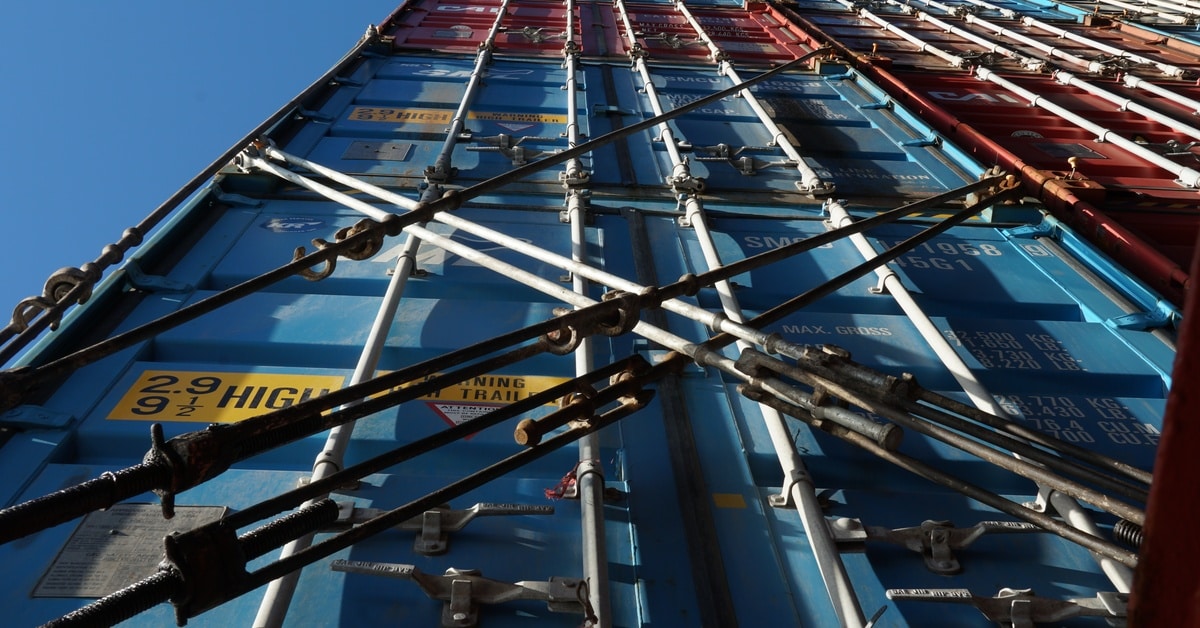
Freight damage costs the transportation industry billions annually. When cargo shifts during transit, it damages products, delays deliveries, and creates safety hazards for workers. The solution lies in proper blocking and bracing techniques, with cargo bars serving as the first line of defense against these costly problems.
Choosing the right cargo bar for your transportation needs determines whether your freight arrives intact or becomes a costly insurance claim. Smart logistics professionals understand that investing in quality equipment protects both cargo and reputation.
Cargo Bar Fundamentals
Cargo bars create temporary walls inside trailers, containers, and intermodal units. These devices prevent freight from shifting forward, backward, or side-to-side during transport. While different load lock bars serve similar functions, cargo bars offer enhanced versatility across different trailer types and cargo configurations.
Modern cargo bar systems work effectively in semi-trailers, shipping containers, and rail cars. They adapt to various interior dimensions and wall materials, making them indispensable for over-the-road, rail, and ocean shipments.
Critical Selection Factors
Choosing the right cargo bar depends on your freight type, trailer setup, and operational priorities.
Freight Type and Trailer Configuration
Full truckload shipments require different security strategies than partial loads. Heavy machinery demands robust blocking systems, while fragile electronics need gentler but equally secure positioning. Consider your trailer’s interior dimensions and wall construction when selecting equipment.
Container shipments present unique challenges. Standard shipping containers have different anchor points and wall strengths compared to domestic trailers. Your cargo bar system must accommodate these variations without compromising security.
Strength Requirements
Standard metal bars often fail under high-force conditions. Quality cargo bars withstand forces 10 times greater than traditional metal alternatives. This enhanced durability prevents catastrophic failures that lead to freight damage and worker injuries.
Professional-grade systems distribute force evenly across contact points. This distribution prevents wall damage while maintaining cargo stability throughout the journey.
Installation Efficiency
Quick-install systems reduce loading time and labor costs. Workers can position and secure cargo bars rapidly without specialized tools or extensive training. This efficiency becomes crucial during tight delivery schedules. Easy-to-use systems also reduce worker fatigue and injury risk during loading operations.
Cargo Bar System Options
Load bar systems excel with heavy or shifting freight. AAR-approved models meet stringent industry standards for rail transport. These systems secure cargo across multiple trailer types while maintaining compliance with transportation regulations.
Wedget systems handle irregular or oddly shaped loads effectively. Their expandable design adapts to different cargo configurations without requiring multiple equipment sizes.
Strapping systems work alongside anchoring devices to create comprehensive securement solutions. Intermodal straps function as integral components within complete blocking and bracing strategies.
AAR Approval and Safety Standards
American Association of Railroads approval ensures equipment meets rigorous industry requirements. This certification promotes safe working environments while minimizing freight claims through proven performance standards.
AAR approval signals compliance with industry best practices. It demonstrates a commitment to safety and quality that customers and partners recognize and trust.
Smart Investments in Freight Protection
Choosing the right cargo bar for your transportation needs protects freight, personnel, and business reputation simultaneously. Quality securement equipment represents a cost-effective investment in long-term operational success.
0 Comments