
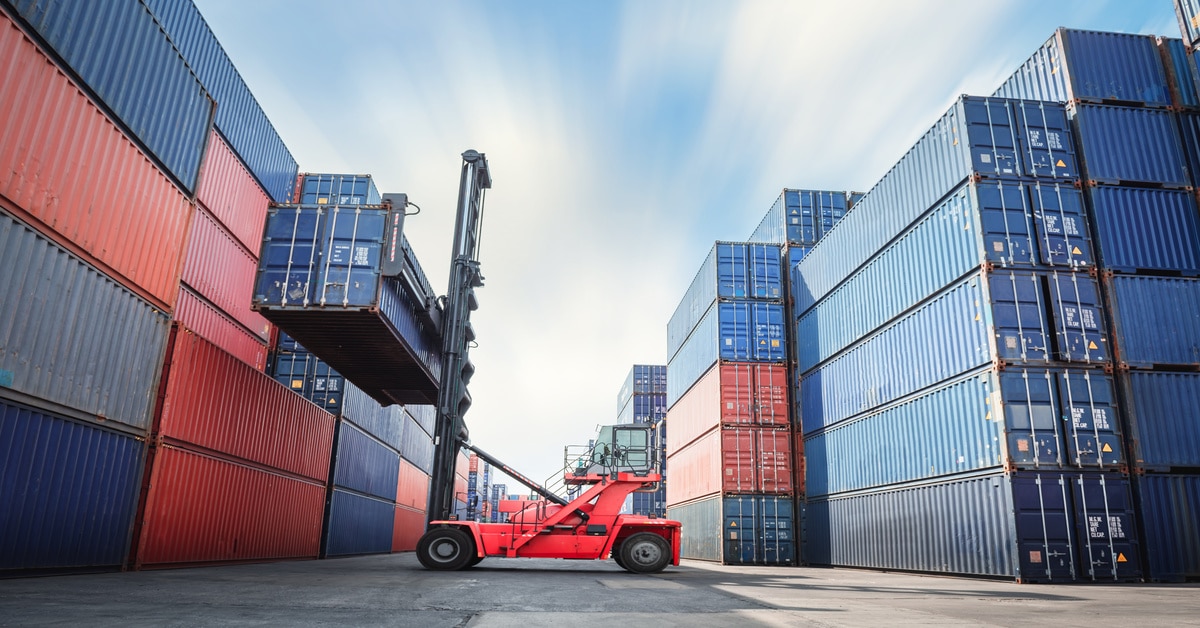
Choosing the right container type is a pivotal decision in logistics and has far-reaching ramifications for freight safety, cost-efficiency, and operational success. When comparing domestic and international intermodal containers, business leaders must consider durability, dimensions, and compatibility with specific transportation modes.
Additionally, the strategic use of blocking and bracing enhances freight security in container types and reduces damage. Here’s what you need to know to make the best choice for your shipping needs.
Understanding Intermodal Equipment and Containers
Intermodal equipment plays a role in global and domestic freight movement. These containers are invaluable for over-the-road, rail, and ocean shipping, supporting the seamless flow of goods. Their durability and standardized design protect cargo from potential damage.
Domestic Containers: Characteristics and Applications
Domestic containers are designed for use in North America, addressing the needs of over-the-road and rail transport. Measuring up to 53 feet in length, they provide ample space for full truckload (FTL) and less-than-truckload (LTL) shipments. They can handle frequent reuse, offering business leaders a cost-effective solution for moving high-volume freight within North American networks. They excel in durability and are engineered to withstand the rigors of multi-modal transfers, reducing long-term operational costs.
International Containers: Global Compatibility and Versatility
International containers come in two sizes, 20-foot and 40-foot, making them indispensable for cross-border and overseas shipments. These containers can endure long ocean voyages and are stackable to maximize space on vessels. Once freight reaches its destination port, shipping professionals move the containers to trucks or railcars for inland delivery. They cater to businesses with diverse supply chains.
Structural Differences and Freight Securement
The most notable contrast between the two intermodal containers lies in their design and handling requirements. Domestic containers are longer than international versions and suit the U.S. transportation infrastructure, including highways and rail systems. International containers, on the other hand, adhere to dimensions suited for ocean vessels and terminal port cranes. Each type necessitates blocking and bracing solutions to protect freight. Fortunately, using AAR-approved systems prevents freight movement.
Elevating Freight Performance With Logistick
Logistick plays a pivotal role in aiding organizations with secure and efficient freight movement. With our Load Bar X and adhesive-based Mobile Straps, you can reduce freight and improve safety. Our AAR-compliant solutions work with both container types, as well.
Understanding the differences between domestic and international intermodal containers is critical for business leaders aiming to streamline operations. By selecting the ideal intermodal equipment and freight securement tools, you can mitigate damage, prioritize worker safety, and optimize shipping success. Partner with Logistick today to elevate your freight shipping practices.
0 Comments