
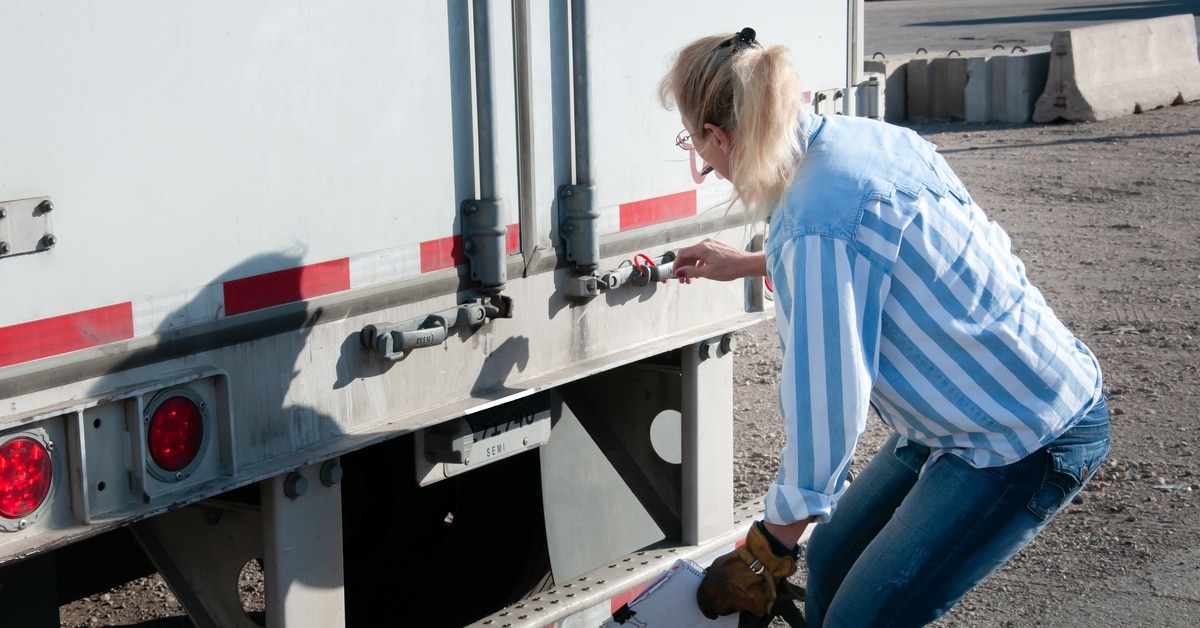
Proper securement plays a critical role in maintaining supply chain efficiency, preventing cargo damage, and ensuring worker safety across industries such as manufacturing, ecommerce, and retail. Whether securing freight for road, rail, or ocean transport, reliable blocking and bracing systems are essential to protect goods. At the core of these systems are tensioning devices, available in two primary forms: manual vs. automatic tensioning devices for load securement.
Understanding Load Securement Devices
Tensioning devices are integral to the success of blocking and bracing systems. They apply and maintain the necessary tension on straps to keep cargo secure during transit, minimizing movement and the risk of damage. Strapping systems, for example, use high-quality anchors and straps to create robust load securement. Tensioning devices ensure these systems perform optimally, providing stability and safety.
Beyond protecting freight, proper tensioning also supports worker safety and compliance with industry standards, such as those outlined by the Association of American Railroads (AAR). Whether for palletized goods, ecommerce orders, or bulk materials, well-secured cargo reduces the risks of accidents and delays.
Manual Tensioning Devices
Manual tensioning devices rely on operator effort to apply strap tension. Often operated with tools, they are straightforward and provide greater control during application. They excel in securing smaller shipments or less complex configurations where precision and cost savings are key.
However, their use comes with challenges. Manual tensioning can be labor-intensive, requiring more time and physical effort to achieve proper tension. This increases the potential for errors, such as under-tensioning, leading to inconsistent results. Furthermore, repetitive use poses a higher risk of worker strain, particularly in high-volume operations.
Automatic Tensioning Devices
Automatic tensioning devices leverage mechanized systems, such as battery- or pneumatic-powered tools, to streamline operations. These advanced systems are often found in large-scale supply chains, where speed, consistency, and efficiency are critical. By delivering uniform tension across all straps, automatic devices reduce the likelihood of under- or over-tensioning, providing enhanced freight protection.
Automatic tensioning also prioritizes worker safety by minimizing physical strain during the process. However, these benefits come with a higher upfront cost. Additionally, operators may require training to use the equipment effectively, and regular maintenance is often necessary to ensure optimal performance.
Choosing the Right Device for Your Needs
Selecting between manual vs. automatic tensioning devices for load securement depends on factors such as shipment volume, budget, labor capacity, and safety priorities. For smaller operations, the cost-effective and flexible nature of manual devices may suffice. Larger-scale operations with frequent shipments will likely benefit from the efficiency and consistency of automatic systems.
Both methods, when applied properly, can meet AAR requirements, delivering reliability and safety. Logistick’s versatile anchoring systems are compatible with both manual and automatic tensioning processes, ensuring secure shipments across various configurations.
Invest in Reliable Load Securement
Investing in dependable securement systems safeguards freight, enhances worker safety, and ensures smooth supply chain operations. Logistick is proud to offer AAR-approved solutions tailored to both manual and automated applications. Assess your current systems today and explore how Logistick’s tensioning tools can elevate freight protection for your business.
0 Comments