
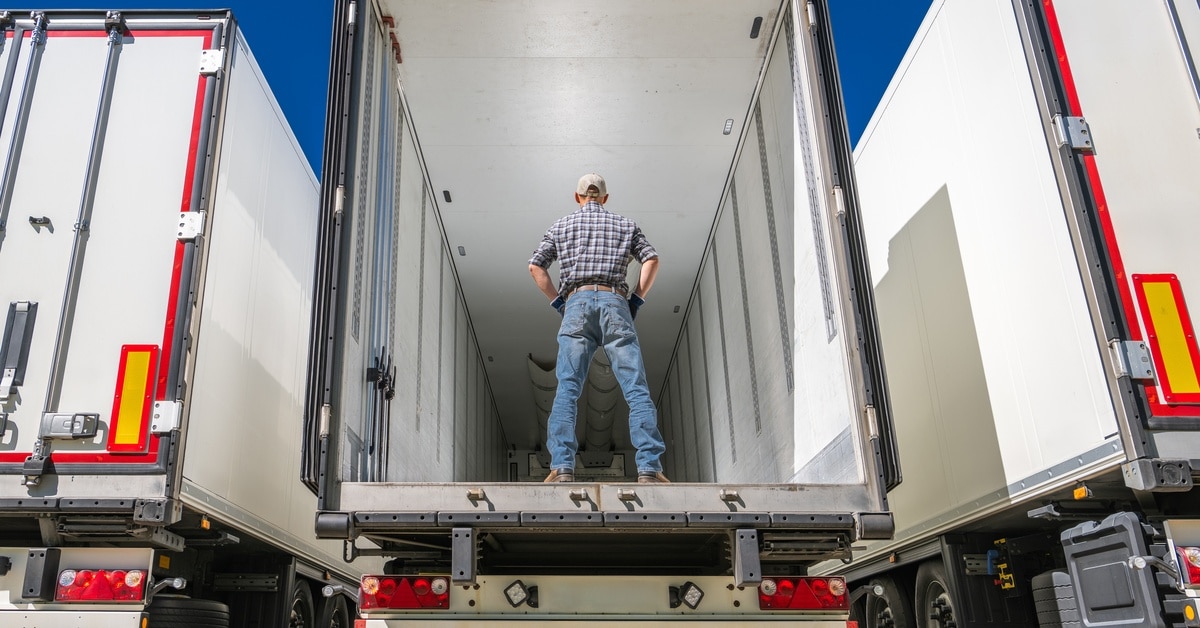
If your company ships products in trailers, you know safety, compliance, and efficiency always come first. The Department of Transportation (DOT) sets clear rules to protect your freight, your drivers, and everyone else on the road. Knowing the important details about DOT load securement regulations helps you prevent freight damage, avoid fines, and keep your shipments moving without disruptions. These regulations give you the blueprint for securing all cargo inside a closed trailer. Staying current on standards means your team is ready to adapt to regulatory changes and industry best practices, setting you apart as a trusted partner in transportation.
Who Needs To Follow Securement Rules?
The Federal Motor Carrier Safety Administration (FMCSA) requires every commercial motor vehicle (CMV) in interstate transport to meet securement standards. If you’re moving loads in trailers that weigh over 10,001 pounds, those standards apply to you. Whether you run full truckloads or partial shipments, your carrier needs to follow these guidelines. These standards ensure your cargo stays put—no matter what the road throws your way. Adhering to these requirements helps you avoid costly citations, reduce liability, and boost operational reliability.
What Standards Are in Place?
DOT regulations focus on how well your securement system performs in real situations. By law, your system must hold up against sudden braking and tight turns without any shifting, falling, or tipping. You need to meet strength thresholds in three directions:
- 0.8 g (80% of load weight) forward
- 0.5 g (50% of load weight) rearward
- 0.5 g (50% of load weight) sideways
These requirements keep freight safe inside your trailer even in the most demanding driving conditions. Regular equipment inspections and training for drivers also support compliance and contribute to road safety.
How Do You Properly Secure Freight?
General rules apply to every load, but certain types of cargo require extra steps. FMCSA gives detailed guidelines for different commodities, so always check if your freight comes with special instructions. In closed trailers, your top priority is stopping unwanted movement. Setting up effective cargo securement calls for the right combination of tiedowns, blocking, bracing, and dunnage. Fill empty spaces and lock loads firmly in place. This safeguards your products against shifting and costly damage.
The Benefits of Proper Load Securement
When you secure shipments correctly, you do more than comply with regulations. You protect your company from unnecessary claims and keep your reputation strong for delivering damage-free freight. Knowing the important details about DOT load securement regulations means making every shipment safer, more sustainable, and reliable—trip after trip. Taking the right approach to load securement reduces the risk of freight loss and minimizes your environmental impact by lowering the chance of accidents and unnecessary returns. Stay vigilant, prioritize education for your team, and always put safety first.
0 Comments