
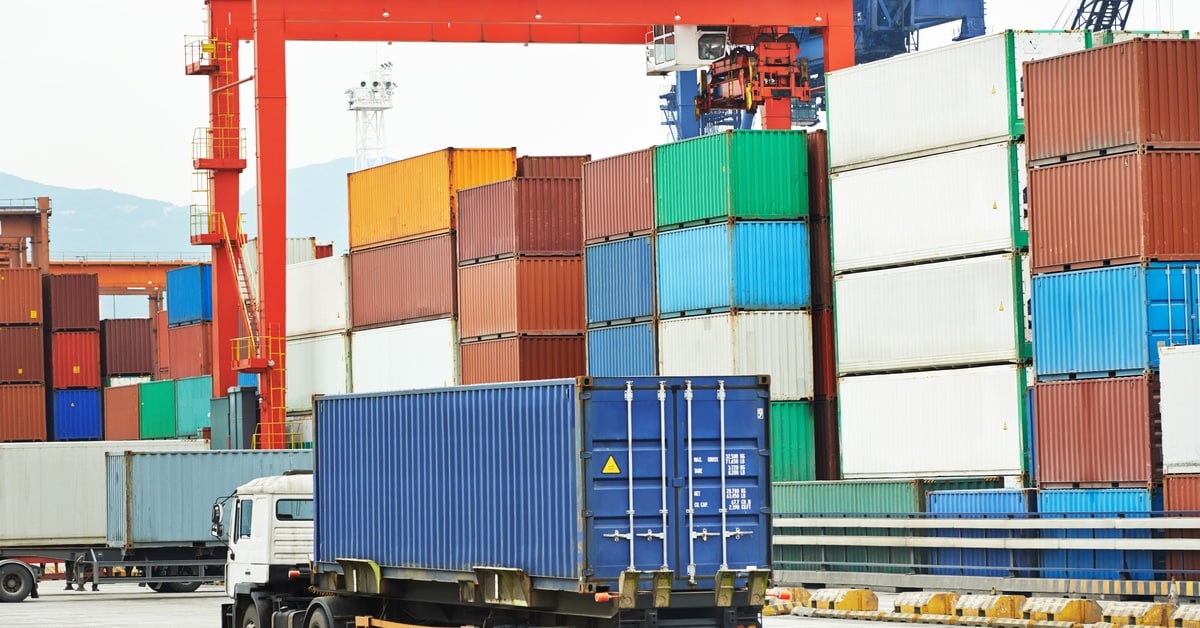
Efficient cargo movement across multiple transport modes requires strategic planning and equipment selection. This brief guide to mastering intermodal freight transportation provides essential insights for optimizing your shipping operations while reducing damage risks and improving safety.
Understanding Intermodal Freight Transportation
Intermodal freight transportation moves goods using multiple transport modes—road, rail, and sea—within the same sealed container. Shippers choose this method because it delivers cost-efficiency while reducing handling requirements and minimizing damage risks throughout transit.
The closed container system protects freight during transfers between trucks, trains, and ships. Consistent protection maintains load integrity and reduces the likelihood of cargo shifting during transitions.
Key Benefits for Modern Supply Chains
Intermodal shipping delivers advantages beyond cost savings. The reduced handling requirements enhance worker safety during loading and unloading operations. Additionally, freight experiences fewer transfer points, which decreases damage rates and maintains product quality throughout the journey.
Sustainability goals become more achievable through intermodal transportation. Rail transport generates lower emissions per ton-mile compared to over-the-road trucking. Business leaders can reduce their environmental footprints while complying with industry regulations.
Overcoming Common Challenges
Successful intermodal freight transportation requires addressing the main risks of cargo damage and safety non-compliance.
Preventing Freight Damage
Cargo shifting is the primary threat to intermodal shipments. Movement during rail transport can cause damage and create safety hazards for workers handling the freight. Luckily, workers can use securement systems to address risks.
AAR-approved blocking and bracing products provide stability. Load bar systems, wedge systems, and specialized flooring solutions work together to secure cargo throughout the journey.
Ensuring Safety Compliance
Regulatory requirements demand safety measures for intermodal transport. Internal safety goals align with these standards when companies implement freight securement protocols. Reduced product damage eliminates waste and rework expenses.
Best Practices for Intermodal Success
To ensure damage-free delivery across road, rail, and ocean, shippers must implement reliable securement strategies that protect cargo throughout every transition.
Implementing Blocking and Bracing Systems
Effective cargo securement requires comprehensive blocking and bracing strategies.
- Load bars create barriers that prevent forward and backward movement.
- Wedge systems fill gaps between pallets and container walls.
- Specialized flooring systems provide additional friction to resist sliding.
Selecting Appropriate Strapping Systems
Strapping anchor points play a crucial role in cargo stability. Intermodal straps work with banding systems to reinforce load security during transport transitions. These components maintain stability when containers transfer between transport modes.
Choosing Quality Equipment Components
Durable freight securement systems withstand the high-impact forces common in intermodal transport. Investing in reliable intermodal equipment parts reduces freight claims and increases delivery consistency. Tested components perform under stress and last a long time.
Quality equipment selection directly impacts operational success. Substandard components may fail in transit, leading to cargo damage and worker injury.
Achieving Intermodal Excellence
This brief guide to mastering intermodal freight transportation demonstrates how planning and equipment selection create successful shipping operations. Strong intermodal strategies lower damage rates, enhance safety performance, and improve supply chain efficiency. Blocking and bracing systems form the foundation of effective intermodal shipping programs.
0 Comments