
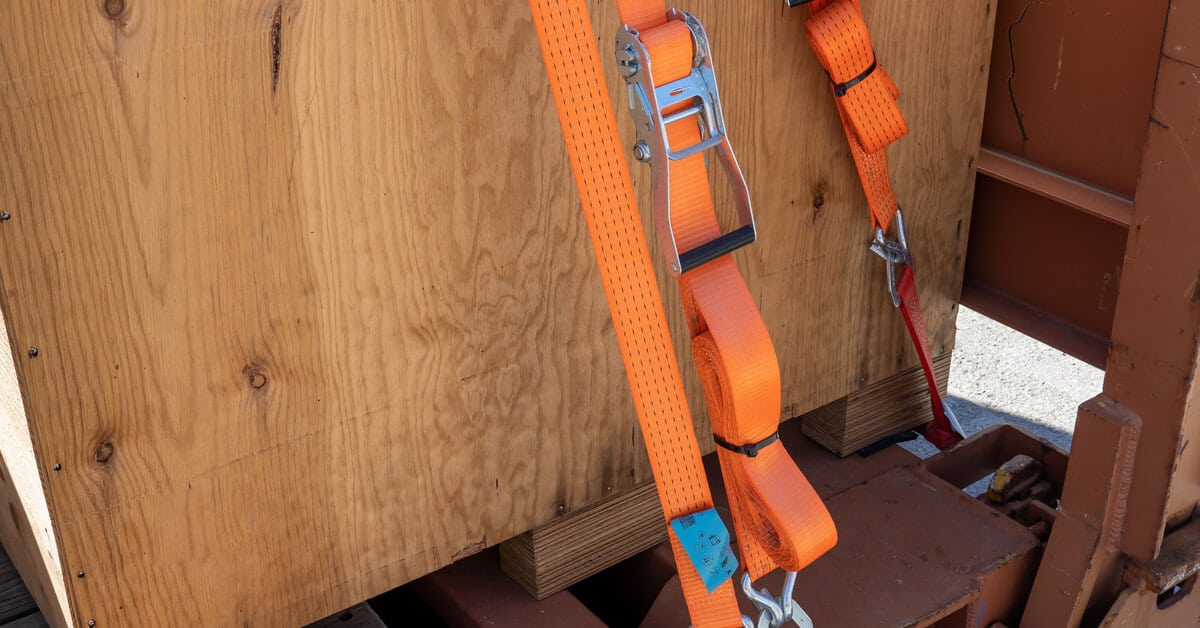
Transporting cargo safely requires precision and attention to detail. Among the many factors that contribute to secure transport, using the correct strap length is often overlooked. However, getting this component right plays a pivotal role in preventing freight damage and ensuring efficient deliveries. By incorporating these tips for using the right strap length for various cargo types, logistics professionals can significantly reduce the risk of cargo shifting during transit.
The Role of Strap Length in Cargo Safety
Using the correct strap length means the cargo will remain steady throughout its journey. A properly chosen strap protects the shipment from damage caused by excessive movement while also reducing the chances of sudden shifts that could endanger both the freight and the people managing it. This becomes critical for industries like manufacturing, e-commerce, and retail, all of which rely heavily on safety during shipping to maintain product integrity and customer satisfaction.
Different Cargo Types and Strap Lengths
Cargo comes in various shapes, sizes, and levels of fragility, and each type demands careful consideration when selecting the correct strap length. Heavy or bulky cargo, for instance, often benefits from longer straps that provide added stability during transport. Using straps that are too short could place undue strain on the load, making it susceptible to damage. Fragile cargo, on the other hand, requires shorter straps to minimize shifting while ensuring the load is gently secured.
How To Choose the Right Strap Length for Your Cargo
The size and weight of the load directly impact strap tension and the ability to secure the shipment effectively. Other considerations include the type of trailer being used and external conditions, such as whether the freight will be transported on smooth highways or more rugged terrain. Road, rail, and sea transport can each present unique challenges, underscoring the need for precision when choosing straps.
Benefits of Using Track Straps for Cargo
For unparalleled load stability, track straps are an ideal solution. These straps provide exceptional strength and are designed to attach seamlessly to diverse surfaces, making them indispensable for maintaining cargo security. Their adaptability makes them a go-to tool for logistics professionals aiming to prevent damage while ensuring the loads remain firmly in place throughout the transit process.
Best Practices for Securing Cargo
Beyond choosing the correct strap length, consistent inspection and maintenance of straps are essential for verifying their durability and effectiveness. Proper installation techniques minimize risks, which is essential since worker safety should always remain a top priority. Combining these best practices with an emphasis on strap suitability can lead to safer and more efficient transport operations.
Stronger Freight Security Starts With the Right Straps
Implementing these tips on using the right strap length for various cargo types can significantly improve shipping safety and efficiency. Each shipment is unique, requiring careful evaluation to match the proper equipment to the job.
0 Comments