
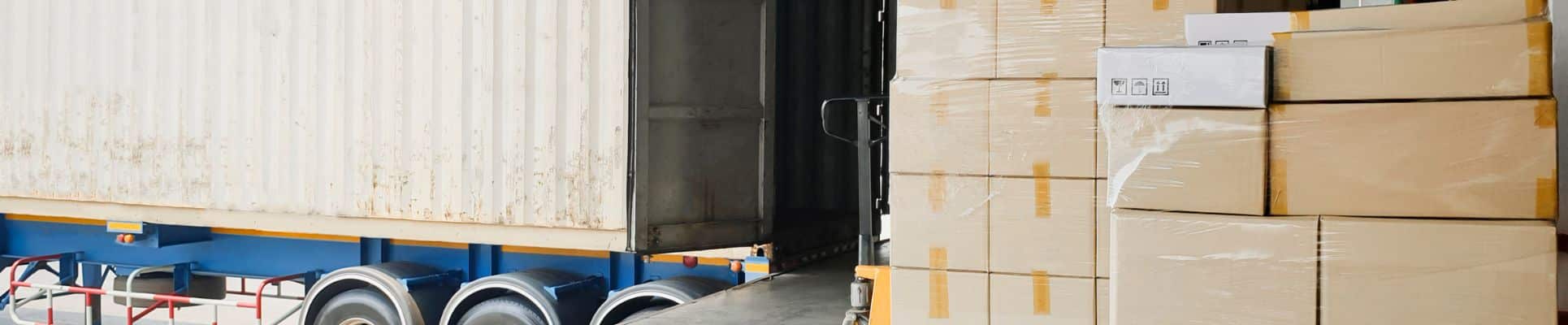
As a business owner or logistics manager, you know the importance of ensuring your cargo arrives at its destination safely and intact. Unfortunately, it can get damaged during transit due to various reasons, such as rough handling, improper packaging, or natural disasters. If this happens, the consequences can be costly for your business and frustrating for your customer. Learn what to do if your cargo is damaged in transit.
Inspect the Cargo Immediately
Before signing any delivery documents, inspect the shipment thoroughly for damage. Check for dents, scratches, or tears on the packaging or containers. If possible, open the packages and examine the contents carefully for damage.
Document the Damage
If you notice issues with the cargo during the inspection, document it immediately by taking photos from different angles. You should note details such as the extent of damage, date and time of delivery, and names of drivers or handlers who were involved in transporting the shipment. This documentation will be important when filing an insurance claim or seeking compensation from carriers.
Report Damage to Carrier
After documenting the damage, report it to the carrier immediately by phone or email. Provide them with detailed information about the damage along with supporting evidence—photos and documents. Be sure to keep a record of all correspondence with carriers for future reference.
File an Insurance Claim
If you have insurance coverage for your cargo, file a claim after reporting damage to carriers. Provide them with all necessary documents related to the shipment and evidence of damage incurred during transit. Insurance providers usually have a deadline for filing claims, so don’t miss it.
Take Preventive Measures
To avoid future occurrences of cargo damage, take the following preventive measures:
- Improving packaging
- Using proper labeling and markings
- Selecting carriers with a good track record
- Providing clear instructions to drivers or handlers
By taking these measures, your cargo will reach its destination in a timely and efficient manner. Communicating clearly and creating routines will eliminate room for error.
It’s important to act quickly and efficiently if your cargo gets damaged during transit. By taking preventive measures for future shipments, you can minimize the impact on your business operations. Prevent these unfortunate instances from happening by considering cargo restraint systems from Logistick. These additions will keep your cargo in place throughout the entire journey.
If you have any questions on how to keep your shipment safe, contact our team at Logistick!
0 Comments