
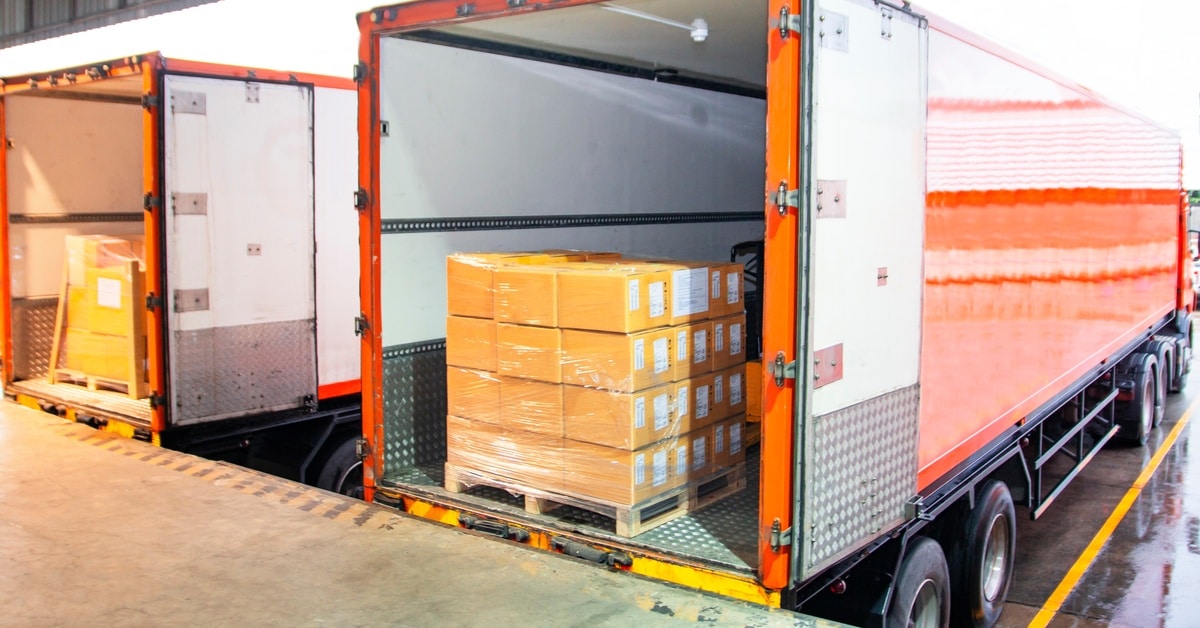
Freight damage and safety hazards are a growing concern in today’s logistics industry. With rising freight volumes and businesses relying heavily on timely, damage-free deliveries, understanding the need for adequate load securement is vital for manufacturers, ecommerce businesses, and retailers. Poorly secured loads not only lead to extensive financial losses but also jeopardize worker safety. The solution is high-quality cargo securement that minimizes risks and ensures compliance.
The Risks of Inadequate Load Securement
When freight shifts during transit, the financial costs can be massive. Damaged goods result in tarnished brand reputation and wasted resources. For businesses managing complex supply chains, the stakes are even higher, as transit damage can disrupt operations and strain relationships with customers and partners.
Compounding this issue, inadequate load securement creates severe safety hazards. Dock workers and drivers face injuries caused by shifting loads during loading and unloading. These risks are exacerbated by sharp turns, sudden stops, or movement during intermodal transfers. Additionally, regulatory fines and potential legal liabilities for noncompliance underscore the importance of proper load securement to safeguard workers, freight, and businesses.
What Proper Load Securement Achieves
Effective securement methods prevent freight movement in all directions, reducing internal damage from compression and shifting. Additionally, achieving proper securement conditions supports operational safety and efficiency by ensuring the cargo can be loaded and unloaded without risks.
Compliance with industry standards such as those outlined by the American Association of Railroads (AAR) is critical. Logistick’s products align with these standards, so businesses can expect high performance and reduced compliance risks.
Choosing the Right Cargo Securement Equipment
Equipment that delivers strength, simplicity, and safety streamlines operations while withstanding intense force during transit. Load bar systems absorb impact effectively, wedget solutions lock pallets in place with precision, and strapping systems minimize freight shift by anchoring cargo securely. Flooring systems add friction to stabilize freight in semitrailers, railcars, and ocean containers.
When evaluating cargo securement equipment, look for products that ensure strong adhesion across all transport surfaces. Unlike traditional metal load locks, adhesive-based systems maintain a reliable hold on wood, metal, and composite panels and provide consistent performance.
Understanding the need for adequate load securement is essential for businesses looking to reduce costs, protect cargo, and enhance safety. By investing in advanced securement equipment, manufacturers, retailers, and ecommerce companies not only prevent financial losses but also create a safer, more efficient logistics process.
0 Comments