
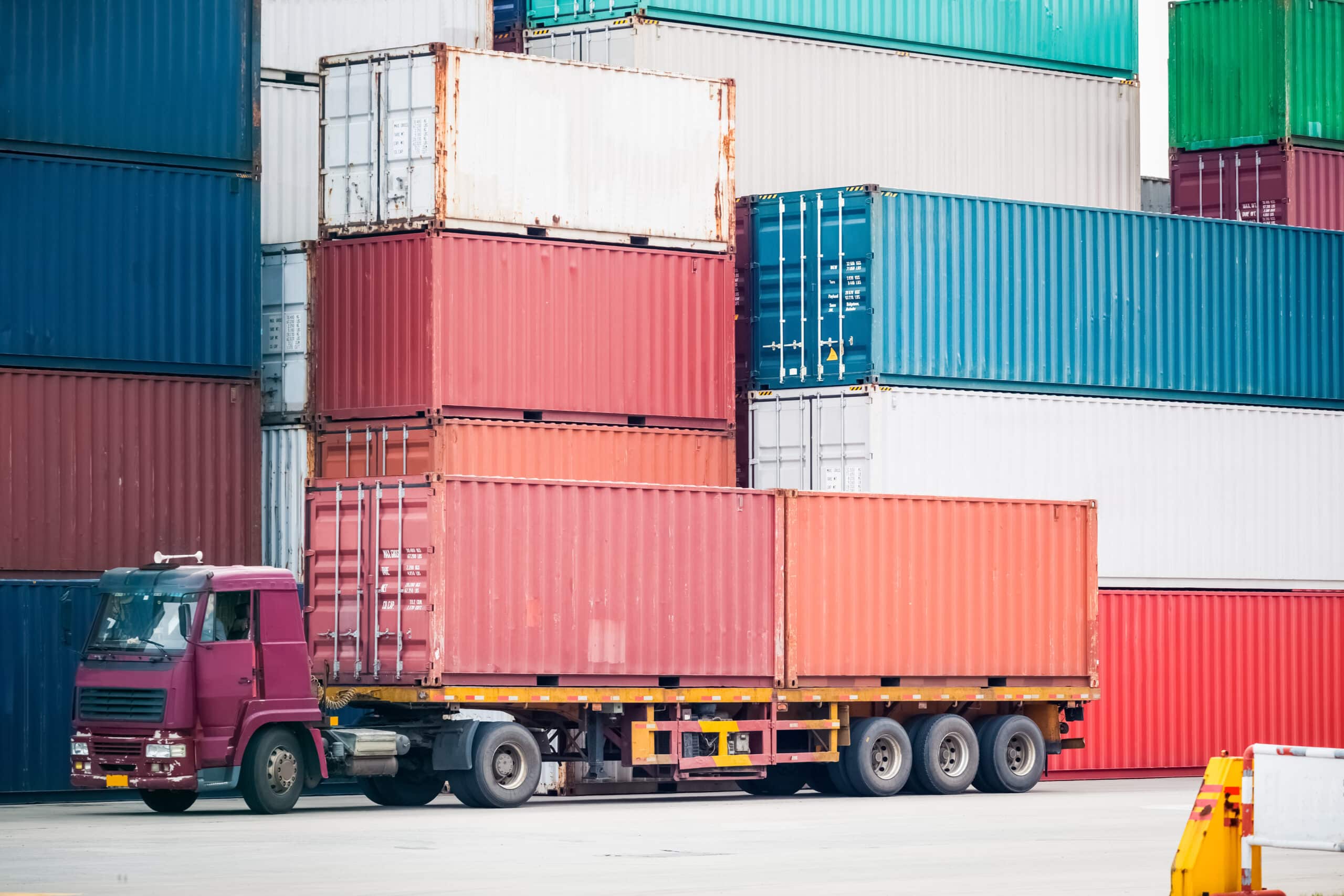
Every shipment leaves the dock or the warehouse looking secure. Pallets are wrapped, freight is stacked neatly, and everything appears stable. But once that trailer hits the highway or moves from truck to rail to vessel, the forces of transit begin to test your securement strategy. Cargo load shift is one of the most common causes of freight damage, rejected loads, and costly reships. Understanding how load shift happens and how to prevent it is critical for protecting product, improving compliance, reducing waste across your supply chain, and protecting the safety of workers who unload trailers and containers.
What Is Cargo Load Shift?
Cargo load shift is the unintended movement of freight inside a trailer or intermodal container during transit. It may look stable at the dock, tightly wrapped and neatly palletized. But once that shipment hits the road, rail, or ocean, the forces of transportation start working against it.
If cargo is not properly loaded and restrained, it moves.
Load shift can happen in:
- Dry van trailers
- Railcars
- ISO containers moving between truck, rail, and vessel
- Long-haul and cross-border shipments
And when it happens, the consequences are rarely minor. From freight damage to rejected loads to chargebacks to dockside injuries, the cost of a seemingly small freight shift can be massive. For operations leaders, load shift is not just a physics problem. It is a financial and operational, as well as a workplace safety risk.
Why Cargo Shifts During Transit
Cargo shifts because transportation is dynamic. Trucks brake hard. Railcars experience coupling impact. Containers move from chassis to train to vessel and back again. Each transition introduces new forces to the equation. The most common causes include:
Sudden Braking and Acceleration
When a truck stops quickly, the freight keeps moving forward. Without proper restraint, pallets press into the nose of the trailer or into neighboring loads. During acceleration, the opposite happens.
Side-to-Side Movement in Turns
Cornering creates lateral force. In partially filled trailers or mixed-height loads, pallets can lean or collapse if they are not blocked or braced.
Intermodal Impact and Vibration
Rail and ocean shipping introduce additional stresses. Railcar coupling, track vibration, port handling, and long transit times all increase the likelihood of movement inside the container.
Even if a load survives a highway trip, it may not survive intermodal transitions without proper securement.
Empty Space and Inconsistent Loading
Gaps between pallets create room for freight to gain momentum. Inconsistent loading practices across facilities make the problem worse. Without standardized securement methods, risk increases with every shipment.
The Real Cost of Load Shift
Load shift does not just damage cartons.
It drives:
- Damage claims
- Retail compliance violations
- Carrier disputes
- Rejected shipments
- Additional labor for restacking and rework
- Reshipments that increase transportation spend
- Product waste that ends up in landfills
For companies moving high volumes of freight, even a small percentage of shifting loads can translate into significant annual losses. Reducing load shift improves more than product protection. It supports compliance, standardization, sustainability goals, and safer unloading conditions for warehouse and dock workers.
How to Prevent Cargo Load Shift
Preventing load shift requires more than tightening stretch wrap. It requires a securement strategy designed for real-world transportation conditions.
Most operations rely on a combination of:
- Load bar systems
- Wedge systems
- Strapping systems
- Floor bracing systems
- Air bags and void fills
The right solution depends on freight type, mode of transport, and standard operating procedures.
Eliminate Void Space
Empty gaps allow freight to move. Reducing or eliminating void space is the first step in preventing movement.
Standardize Blocking and Bracing
Blocking prevents forward and rearward movement. Bracing distributes pressure and reinforces load stability. Standardized processes reduce variability between shifts, facilities, and carriers.
Use Engineered Load Bar and Wedge Systems
For longitudinal movement, load bar systems are one of the most effective controls, especially in over-the-road trailers and intermodal containers.
Logistick specializes in one-way cargo securement systems designed to hold freight firmly in place during multi-modal transit. Unlike traditional reusable metal load locks that can loosen over long distances, one-way systems remain engaged throughout the shipment lifecycle.
For intermodal moves where containers transfer between truck, rail, and vessel, consistent lateral and longitudinal restraint is critical.
Combine Securement Methods When Needed
Heavy, tall, or top-heavy pallets may require additional strapping or floor bracing. Securement is not one-size-fits-all. It should be matched to the freight and route.
Why One-Way Securement Matters in Intermodal Shipping
Reusable systems can be effective in certain operations, but intermodal shipping introduces complexity.
When containers change hands, reusable devices may be removed prematurely, accidentally loosened during handling, or inconsistently tightened. Reusable metal load bars can also create operational challenges because they are expensive assets that must be retrieved and maintained, and they are often left behind when shipments are dropped off.
One-way systems are designed to remain in place throughout the shipment, eliminating the need to maintain ownership or recover securement equipment after delivery. This supports consistency across lanes, facilities, and carriers while helping maintain load stability during long multi-modal journeys.
For organizations focused on reducing damage claims, protecting workers, and standardizing securement practices, one-way systems can improve reliability across high-volume networks.
Sustainability and Reduced Waste
Freight damage does not just affect margins. It impacts sustainability across the supply chain.
Every rejected load or damaged pallet can mean:
- Additional transportation emissions
- Product disposal
- Packaging waste
Logistick emphasizes the use of recyclable materials and sustainable design in its securement systems. Reducing load shift supports both operational efficiency and environmental responsibility by lowering the need for reships and minimizing waste.
Frequently Asked Questions
What causes cargo load shift most often?
Hard braking, cornering, poor road conditions, and intermodal impact events are the most common triggers, especially when freight is not properly blocked or braced.
Is stretch wrap enough to prevent cargo shift?
No. Stretch wrap stabilizes cartons on a pallet but does not provide adequate resistance against transit forces. Mechanical restraint systems are required.
What is the best way to reduce damage claims from load shift?
Standardize securement methods, eliminate void space, and implement engineered restraint systems that match your freight profile and transportation modes.
Protecting Your Cargo From Damage
Cargo load shift happens when freight is not restrained against the real-world forces of transportation. While a load may appear stable at the dock, braking, turning, vibration, and intermodal handling can quickly expose weaknesses in securement.
By standardizing blocking and bracing practices and implementing engineered load bar systems designed for multi-modal shipping, companies can reduce damage claims, improve compliance, and lower operational waste.
If freight damage or unstable loads are recurring in your operation, it may be time to evaluate whether your current blocking and bracing method is truly controlling lateral and longitudinal movement. Purpose-built load restraint systems can significantly reduce shift-related damage across trailer and intermodal shipments while helping maintain safer freight conditions at the point of unloading.
Contact Logistick today to learn more about how to restrain cargo and reduce freight damage claims properly.
0 Comments